Kupang, Indonesia
- 442,758 people
- 11 places to visit
- -10.1772, 123.607
Places to Visit (11)
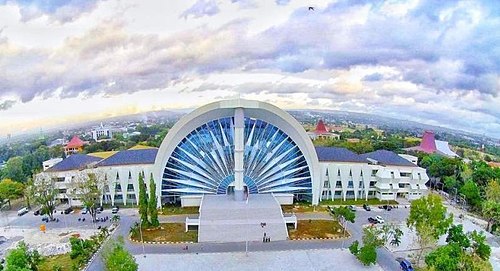
Kupang is the capital city of East Nusa Tenggara province in Indonesia, located on the western tip of Timor Island. With a population of approximately 400,000 people, it serves as a vital administrative and economic center for the region. Kupang is known for its diverse culture, primarily influenced by various ethnic groups such as the Timorese, Flores, and other surrounding islands. The city features a blend of traditional and modern lifestyles, reflected in its architecture, local customs, and culinary offerings.
The geography of Kupang is characterized by rugged coastal landscapes and a dry climate, which makes it distinct from many other Indonesian cities renowned for their lush flora. The hot and dry conditions influence both the local agriculture and lifestyle, making activities such as fishing and farming important to the area's economy. The city's infrastructure has improved in recent years, with better connectivity through roads and an airport, facilitating trade and tourism. Major tourist attractions include the beautiful beaches of Lasiana and Tablolong, as well as historical sites like Fort Concordia and the traditional mangrove forests at Oesapa.
Kupang is also an important hub for education and health services in the region, hosting several universities and medical facilities. The city’s market scene, including the famous traditional market of Pasar Inpres, showcases local crafts, textiles, and fresh produce, providing insight into the vibrant local culture and economy. Additionally, the annual Kupang Festival celebrates the unique crafts and traditions of East Nusa Tenggara, attracting visitors from various parts of Indonesia and beyond. Overall, Kupang epitomizes a unique blend of cultural heritage, economic potential, and natural beauty, making it a significant and captivating destination in Indonesia.
Facts about Kupang
- Kupang is the capital of East Nusa Tenggara province and plays a crucial role as a trade and commerce center for the region.
- The city is known for its stunning coastal scenery, including beautiful beaches like Lasiana Beach and Santo Antonio Beach, which are unique for their white sands and vibrant marine life.
- Kupang has historical significance as a former Portuguese trading post in the 16th century, which influences its local culture and architecture.
- The city is culturally diverse, with various ethnic groups, including the indigenous Timorese, and is recognized for its rich traditions and festivals, such as the annual Kupang Festival.
- Kupang is home to the iconic Oenesu Waterfall, a natural landmark that attracts tourists with its picturesque views and is distinct for being easily accessible from the city center.
- Kupang's unique cuisine includes traditional dishes such as 'Ikan Bakar' (grilled fish) and 'Se'i' (smoked meat), which are not common in many other parts of Indonesia.
- The city hosts the Kupang International Trade Fair, showcasing local products and providing a platform for regional businesses to connect with international markets.
- Kupang is strategically positioned as a gateway to surrounding islands, such as Timor and Rote, making it a vital transit point for both travel and tourism.
- The city's prominence in the maritime industry is highlighted by the Port of Tenau, which serves as one of the busiest shipping ports in eastern Indonesia.
- Kupang is known for its warm, tropical climate all year round, making it a popular destination for tourists seeking sun and sea experiences distinct from Indonesia's cooler highland regions.