Kure, Japan
- 196,624 people
- 12 places to visit
- 34.249, 132.5655
Places to Visit (12)
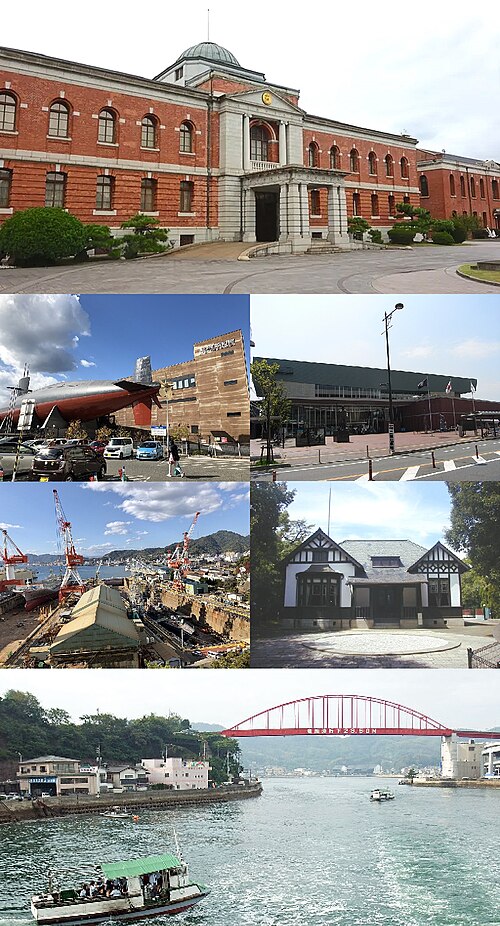
Kure is a city located in Hiroshima Prefecture, Japan, on the western coast of Honshu. Nestled within the Seto Inland Sea, Kure serves as an important port city and is known for its rich maritime history and industrial significance. With a population of approximately 200,000 residents, Kure has developed as a vital hub for shipbuilding and naval activities, notably hosting the Japan Maritime Self-Defense Force's Kure District. The city is also famous for its contributions to the naval forces during World War II and still holds remnants of its military heritage.
The geography of Kure is characterized by its scenic coastal views, surrounded by lush hills and mountains, making it a picturesque destination for both locals and visitors. The city's development as a shipbuilding center began in the late 19th century, and its shipyards have produced a range of vessels, from cargo ships to advanced naval ships. In addition to its industrial base, Kure is also home to several cultural attractions. The Kure Naval Museum, known as the Yamato Museum, honors the legacy of the battleship Yamato and highlights the city's naval history with exhibits and displays. Furthermore, Kure is recognized for its beautiful parks and cherry blossoms, especially during the spring season, attracting tourists and enhancing the city's charm.
Kure's economy has diversified over the years, expanding beyond shipbuilding to include tourism and service industries. The city's strategic location allows for easy access to other destinations in the Hiroshima Prefecture, such as the historical town of Onomichi and the famous Miyajima Island, noted for its iconic floating torii gate. Overall, Kure embodies a blend of historical significance and natural beauty, making it an important city in Japan's maritime landscape and a noteworthy destination for cultural exploration.
Facts about Kure
- Kure was historically important as a major naval port and shipbuilding center for the Imperial Japanese Navy during the late 19th and early 20th centuries.
- The city is home to the Yamato Museum, which showcases the history of the battleship Yamato, the largest battleship ever constructed, and highlights Kure's naval heritage.
- Kure is famous for its scenic waterfront and the picturesque Kure Bay, offering stunning views of the Seto Inland Sea.
- In Kure, visitors can explore the Kure Maritime Museum, where one can learn about maritime history, shipbuilding, and the significance of Kure in Japan's naval developments.
- The city has a distinctive local culinary specialty called 'Kure Ramen,' which features a unique tonkotsu broth that sets it apart from other regional ramen styles.
- Kure is known for its lush parks and natural scenery, particularly the Kure Coastal Park, which provides recreational opportunities and beautiful ocean views.
- Kure celebrated its 120th anniversary as a city in 2016, marking over a century of development and growth since its establishment.
- The city is part of the Hiroshima Prefecture but is often less crowded and provides a more relaxed atmosphere than its larger neighbor, Hiroshima City.
- Kure hosts the annual Kure Kankoh Festival, celebrating the local culture, food, and history with various events, including parades, performances, and traditional music.
- The area is renowned for its production of high-quality sake, and Kure contains many breweries that produce sought-after local varieties.