Kurihashi, Japan
- 27,813 people
- 3 places to visit
- 36.1296, 139.7052
Places to Visit (3)
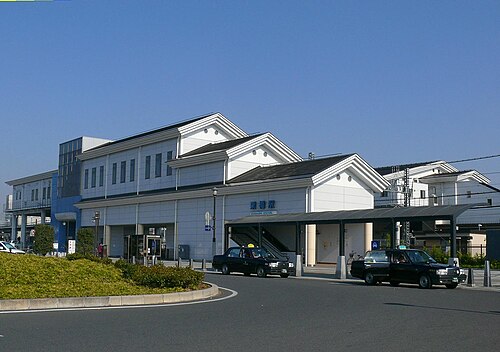
Kurihashi is a city located in Saitama Prefecture, Japan, and is part of the Greater Tokyo Area. Historically, it was established as a town in 1954 and was officially designated as a city in 2005 when it transitioned from Kurihashi Town to Kurihashi City following a merger with neighboring villages. The city is situated in the Kanto region, which is characterized by its flat terrain and proximity to major urban centers, making it an attractive locale for both residents and businesses. Kurihashi is known for its blend of rural and urban environments, with agricultural activities coexisting alongside residential and commercial developments.
One of Kurihashi's notable features is its robust transportation infrastructure, which includes the Tobu Skytree Line, connecting it to nearby urban areas such as the bustling city of Tokyo. This accessibility contributes to its appeal for commuters who seek a quieter living environment while maintaining close ties to the capital. The city's economy is supported by various sectors, including manufacturing, retail, and services, contributing to its overall growth and development. Additionally, Kurihashi is home to several parks and recreational areas, providing residents with opportunities for leisure outdoor activities and community engagement. The city also hosts cultural events throughout the year that reflect its heritage and foster a strong sense of community among its inhabitants.
Moreover, Kurihashi benefits from the rich cultural tapestry of Japan, as evidenced by local festivals, traditional practices, and historical sites that attract both residents and visitors. The presence of educational institutions also highlights the importance placed on fostering knowledge and nurturing future generations. Overall, Kurihashi embodies a harmonious balance between modern living and traditional Japanese culture, making it a unique city within Saitama Prefecture and an integral part of the Greater Tokyo Area. Its ongoing development, combined with its cultural richness and accessibility, positions Kurihashi as an appealing destination for those seeking both a vibrant community and a connection to Japan’s rich history.
Facts about Kurihashi
- Kurihashi is known for its historical significance as a post town during the Edo period, serving travelers along the Nikkō-kaidō, an important route connecting Edo (now Tokyo) with Nikkō.
- The city features the historic Kurihashi Jinja, a shrine that dates back over 1,000 years, reflecting the local Shinto traditions and architecture.
- Kurihashi is part of the Saitama Prefecture but has maintained a unique cultural identity, distinct from neighboring cities like Koshigaya and Kawaguchi.
- The city hosts the annual Kurihashi Cherry Blossom Festival, which attracts visitors for its beautiful sakura trees and vibrant community celebrations each spring.
- Kurihashi's agricultural landscape includes the production of high-quality rice, with local farming practices that emphasize sustainability and traditional methods.
- The city has a reputation for being a hub of traditional crafts, particularly in the production of lacquerware, which is a significant part of its cultural heritage.
- Kurihashi's location allows for easy access to both rural areas and urban centers, making it a unique blend of traditional Japanese life and modern convenience.
- The area is well-regarded for its educational institutions, including facilities that focus on promoting arts and crafts, setting it apart from other locales in the region.
- Kurihashi's local festivals are celebrated with unique rituals, such as the Koshigaya Fire Festival, which showcases traditional dances and community participation.
- The city is strategically positioned near the Arakawa River, providing residents and visitors with scenic views and outdoor recreational opportunities unique to this area.