Kutaisi, Georgia
- 135,201 people
- 11 places to visit
- 42.2718, 42.706
Places to Visit (11)
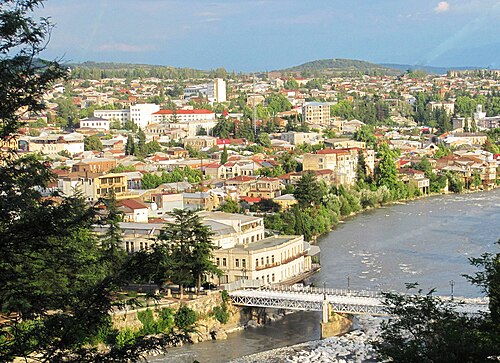
Kutaisi, located in western Georgia, is one of the country’s oldest cities, with a history spanning over 3,500 years. Situated on the banks of the Rioni River, it serves as the administrative center of the Imereti region. Historically, Kutaisi was the capital of several ancient kingdoms, including the Kingdom of Colchis and later the Kingdom of Imereti. This rich heritage is reflected in the city’s architecture and archaeological sites, including the ancient ruins of the Colchian city and several historic churches, notably the Bagrati Cathedral and the Gelati Monastery, both of which are UNESCO World Heritage Sites. The city is known for its vibrant markets, lively streets, and a warm, welcoming atmosphere, which attract both local and international visitors.
In modern times, Kutaisi has evolved into a significant cultural and economic hub within Georgia. The city underwent substantial development in the early 21st century, particularly after the establishment of a new international airport, which has improved connectivity and boosted tourism. Kutaisi has a diverse population and a growing number of educational institutions, which contribute to its youthful energy. Economic activities in the region include agriculture, timber, and tourism, with an increasing focus on sustainable development. The annual Kutaisi International Music Festival and various local cultural events showcase the city's artistic talents and traditions. Despite facing challenges such as economic transition and urban development, Kutaisi remains a symbol of Georgia's historical resilience and cultural richness, serving as a bridge between the past and the future.
Facts about Kutaisi
- Kutaisi is one of the oldest continuously inhabited cities in Georgia, with a history dating back to ancient times, making it a key location in the region's heritage.
- The city is home to the UNESCO World Heritage Site of the Gelati Monastery, founded in the 12th century, which is famous for its stunning mosaics and being a significant center of education and culture during the medieval period.
- Kutaisi was once the capital of the ancient Kingdom of Colchis, known from Greek mythology as the land where the Golden Fleece was sought by Jason and the Argonauts.
- The Bagrati Cathedral, also a UNESCO World Heritage Site, is located in Kutaisi and is an impressive example of medieval Georgian architecture, despite its partial reconstruction in recent years.
- Kutaisi serves as a regional economic hub and has a rich industrial history, being one of the centers for the development of the Soviet-era economy in Georgia.
- The city is notable for its vibrant local culture and traditions, including the annual Kutaisi International Festival of Folklore, which celebrates local music, dance, and crafts.
- Kutaisi houses the Parliament of Georgia, which was relocated here in 2012, making it significant for contemporary Georgian politics and governance.
- The city features a unique local cuisine characterized by dishes such as ‘khachapuri’ and ‘mkhlovani’, which are distinct to the Imereti region around Kutaisi.
- Kutaisi is situated near the Prometheus Cave, a renowned natural attraction with impressive limestone formations and rich limestone deposits, providing a unique eco-tourism experience.
- The city is known for its beautiful parks and gardens, especially the picturesque Kutaisi Botanical Garden, which showcases the diverse flora of the region.