Kutno, Poland
- 48,323 people
- 15 places to visit
- 52.2306, 19.3643
Places to Visit (15)
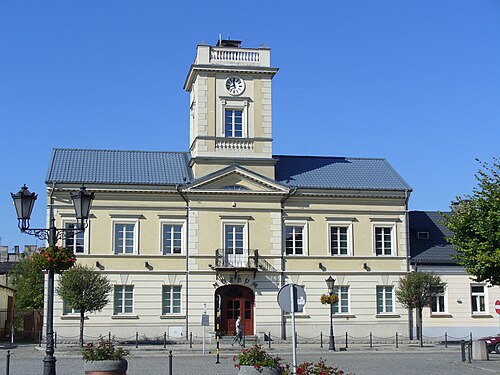
Kutno is a city located in central Poland, within the Łódź Voivodeship. It serves as the administrative and economic center of the Kutno County. The city lies approximately 120 kilometers west of Warsaw and around 40 kilometers northeast of Łódź, making it a crucial transit point in the region. Kutno’s history dates back to the 13th century, with its first recorded mention in 1255. Its location on trade routes historically facilitated its development, and it was granted municipal rights in 1386. Over the centuries, Kutno has seen a series of economic transformations, transitioning from a small settlement to a vibrant hub characterized by various industries, including textile manufacturing, food processing, and logistics.
The city is well-known for its rich cultural heritage and historical landmarks. Among these is the neo-Gothic Church of St. Margaret, built in the 19th century, which serves as a focal point for many local traditions and community events. Kutno also hosts several annual festivals, including the Kutno Dance and Music Festival, bringing together local and regional talent, thus promoting Polish culture. The town’s spacious parks, such as the historic Ludowy Park, offer residents and visitors a serene environment for recreation and leisure. Kutno's economy benefits from its connectivity via the rail network, with the Kutno railway station acting as an important junction that facilitates the transport of goods and people across Poland. This accessibility has attracted several logistics companies, further enhancing the city’s role as an economic center in the region.
Education and community services also play a significant role in the city. Kutno is home to several schools, including vocational and secondary schools, ensuring that the local population has access to quality education. Additionally, the local government actively promotes initiatives aimed at improving the quality of life for its residents, focusing on infrastructure, healthcare, and cultural activities. Overall, Kutno encapsulates a blend of historical significance and modern development, making it a pivotal city in Poland's central region, rich in character and continuing to evolve.
Facts about Kutno
- Kutno is famous for its 19th-century neoclassical architecture, which is prominently displayed in the town’s historic buildings, setting it apart from many other Polish towns.
- The city was granted town rights in 1360, making it one of the older towns in Poland with a rich history extending back to medieval times.
- Kutno is known as the 'City of Roses' and hosts the annual Kutno Rose Festival, celebrating the cultivation of roses and attracting visitors from across the region.
- The underground wine cellar in Kutno is one of the largest and oldest in Poland, reflecting the town's historical significance in trade and gastronomy.
- Kutno has a significant railway junction, which historically contributed to its economic development and continues to be a key transport hub in central Poland.
- The town is home to the Polish Postal Museum, housing exhibits dedicated to the history of postal services in Poland, a unique attraction not found in many other cities.
- During World War II, Kutno served as a vital military headquarters and was a site of crucial battles, marking it with significant historical events.
- Kutno is located near the 'Central Polish Triangle' of major cities—Warsaw, Łódź, and Poznań—making it an essential link for trade and transport in the region.
- The city's local traditions include the 'Kutno Craft Fair,' which showcases regional handicrafts, making it a hub for local artisans and cultural exchange.
- Kutno is recognized for its beautiful parks and green spaces, including the expansive Kutno Park, providing a serene escape for residents and visitors alike.