Kuwana, Japan
- 140,051 people
- 16 places to visit
- 35.0621, 136.6838
Places to Visit (16)
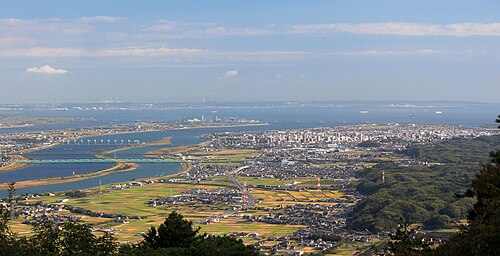
Kuwana is a city located in Mie Prefecture, Japan, known for its rich history and vibrant culture. Situated on the Kiso River, Kuwana offers picturesque landscapes and a strategic location that has contributed to its development over the centuries. The city is approximately 15 kilometers northeast of Nagoya, making it an attractive spot for commuters. With a population of around 150,000 people, Kuwana features a blend of urban and natural environments, characterized by its residential areas, commercial districts, and green spaces. The city's accessible transport links, including rail services, facilitate easy travel to and from major urban centers.
Historically, Kuwana gained prominence during the Edo period as a significant post town along the Tōkaidō, the main road connecting Kyoto and Edo (modern-day Tokyo). This historical importance is reflected in attractions like the Kuwana Castle remnants, which offer insights into its feudal past. Additionally, the city is famous for its beautiful gardens, such as the Rokkaen Garden, a stunning traditional Japanese garden that showcases seasonal blooms and serene landscapes. Kuwana is also known for its festivals, particularly the Kuwana Hanagasa Festival, which features colorful parades and traditional performances, attracting visitors from across the region. The local economy is diverse, with strong contributions from agriculture, manufacturing, and tourism. With its combination of historical significance, natural beauty, and modern amenities, Kuwana continues to be a unique and inviting destination in Japan.
Facts about Kuwana
- Kuwana is renowned for its unique water-based culture, highlighted by the historic canals that were integral to its development during the Edo period.
- The city is home to the famous Nabana no Sato, a large flower park that is especially known for its spectacular winter illuminations, attracting millions of visitors each year.
- Kuwana hosts the annual Kuwana Cherry Blossom Festival, one of the most celebrated sakura festivals in the Mie Prefecture, drawing crowds to the scenic banks of the Nagara River.
- Kuwana's Toriimoto Giyaman Glass Museum showcases exquisite glass art, making it one of the few places in Japan dedicated solely to glass craftsmanship.
- The city is famous for its delicious 'Kuwana Unagi' (grilled eel), which is highly regarded for its flavor and is a local specialty that differentiates it from other regions.
- Kuwana is the gateway to the historic Inabe and Suzuka mountains, allowing for a unique blend of urban life and access to nature, ideal for hiking and outdoor activities.
- The famous Kuwana Castle, although only ruins remain today, is a site of historical significance and is surrounded by beautiful parks and gardens that offer a glimpse into the city's feudal past.
- Kuwana is known for its abundant hot springs (onsen), providing a relaxing and culturally unique experience for visitors and locals alike.
- The city has a rich history in pottery and ceramics, which is celebrated at events like the Kuwana Pottery Festival held every spring.
- Kuwana provides the backdrop for the renowned Kintetsu Yatabare Sumo Tournament, making it a notable stop in the national sumo circuit.