Kwangyang, South Korea
- 89,281 people
- 1 places to visit
- 35.0286, 127.6494
Places to Visit (1)
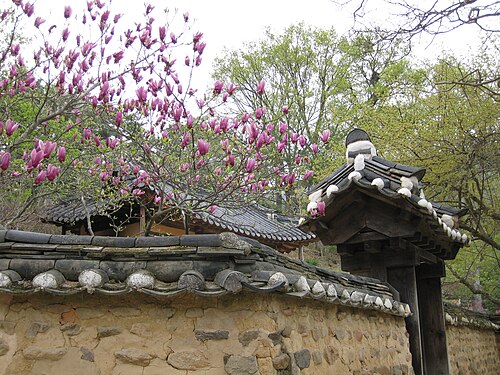
Kwangyang, a city located in Jeollanam-do province in South Korea, is known for its strategic position along the southern coast and its rich industrial background. Established as a city in 1986, Kwangyang has developed into a significant economic zone, particularly due to the presence of large-scale industries and its proximity to the Kwangyang Port, one of the largest ports in the country. The city serves as a vital logistics hub for both domestic and international trade, offering extensive facilities for shipping and transportation. The port’s deep-water capabilities allow it to accommodate large vessels, thereby facilitating exports and imports, which are crucial for the local economy.
In addition to its industrial base, Kwangyang is also recognized for its cultural and natural attractions. The city is nestled near picturesque landscapes, including scenic mountains and the Yeongam River, making it a favorable spot for outdoor activities such as hiking and fishing. Kwangyang is particularly famous for the annual Kwangyang Maehwa (plum blossom) Festival, which celebrates the beauty of the blooming plum trees typical of the region. This event draws visitors from across the country and showcases the city’s commitment to preserving its natural environment and promoting local culture. With a growing population, bolstered by both its economic opportunities and cultural richness, Kwangyang continues to evolve as an important city in South Korea, balancing industrial growth with community and environmental respect.
Facts about Kwangyang
- Kwangyang is home to the Kwangyang Bay, one of the most significant natural harbors in South Korea, known for its rich marine biodiversity.
- The city is notable for the Kwangyang Steel Works, one of the largest integrated steelworks in the country, which plays a vital role in South Korea's industrial economy.
- Kwangyang hosts the annual Kwangyang Maehwa Festival, celebrating the blooming of plum blossoms with various cultural events and activities.
- The city has a rich history of trade and commerce due to its strategic location on the southern coast, linking it to various regions throughout Korean history.
- Kwangyang is the site of the famous Kwangyang Confucian School, established in the 17th century, which highlights the city's educational and cultural heritage.
- The city is surrounded by beautiful natural scenery, including the stunning Yulpo Beach and picturesque mountains, making it a popular destination for nature lovers.
- Kwangyang is known for its unique local culinary specialty, 'Kwangyang bulgogi,' which is grilled marinated pork and has gained popularity beyond the city.
- The city has taken significant steps in promoting environmental sustainability, with initiatives focused on air quality improvement and ecological conservation.
- Kwangyang is increasingly recognized for its role in the shipping and logistics sector, facilitating trade through its busy port and transport infrastructure.
- In 2018, Kwangyang was designated as a 'Global Smart City' as part of South Korea's efforts to incorporate digital technologies into urban planning and management.