Kyoto, Japan
- 1,463,723 people
- 17 places to visit
- 35.0116, 135.7681
Places to Visit (17)
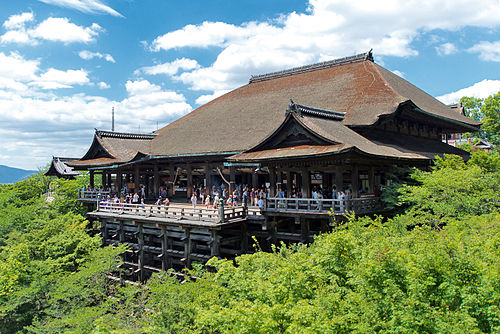
Kyoto, located in the central part of Honshu island, is one of Japan's most historically and culturally significant cities. Established as the capital in 794 during the Heian period, Kyoto served as the political, economic, and cultural heart of Japan for over a millennium until the capital was moved to Tokyo in 1868. The city is renowned for its classical Buddhist temples, as well as gardens, imperial palaces, Shinto shrines, and traditional wooden houses. Today, Kyoto is a UNESCO World Heritage Site, boasting 17 designated locations, including the famous Kinkaku-ji (Golden Pavilion), Ryoan-ji, and the historic district of Gion, known for its geisha culture.
Kyoto's blend of tradition and modernity makes it a unique destination for both domestic and international tourists. The city's vibrant seasons contribute to its charm, particularly during cherry blossom season in spring and the stunning hues of autumn leaves. Visitors can experience ancient crafts such as kimono weaving, pottery, and tea ceremonies, offering insight into Japan's rich heritage. Kyoto is also famous for its culinary scene, featuring traditional kaiseki dining and regional specialties. The city's efficient public transport system, including buses and subways, facilitates easy exploration of its numerous attractions, making it a prominent hub for cultural tourism. As a living testament to Japan's historical legacy, Kyoto continues to captivate millions, serving as a bridge between the past and the present.
Facts about Kyoto
- Kyoto was the imperial capital of Japan for more than one thousand years, from 794 to 1868.
- The city is home to 17 UNESCO World Heritage Sites, including Kinkaku-ji (the Golden Pavilion) and Ryoan-ji, marking its significance in history and culture.
- Kyoto is famous for its traditional wooden houses, which have been preserved in areas like Gion, the city's historic geisha district.
- The city hosts the annual Gion Matsuri, one of Japan's most famous festivals, celebrated throughout July with elaborate floats and traditional events.
- Kyoto is known for its distinct seasonal landscapes, including cherry blossoms in spring and vibrant maple leaves in autumn, attracting millions of tourists each year.
- Kyoto's tea culture is among the most renowned in Japan, with traditional tea ceremonies practiced widely across the city in tea houses.
- It is home to numerous historic temples and shrines, including Kiyomizu-dera, which offers stunning views of the city and is particularly beautiful during cherry blossom season.
- Unlike many other Japanese cities, Kyoto has retained its traditional aesthetic, maintaining a low-rise skyline and strict preservation laws.
- Kyoto is recognized as the birthplace of kaiseki cuisine, a multi-course meal that emphasizes seasonal ingredients and artistic presentation.
- The city hosts numerous cultural events, including the Kyoto International Manga Museum, which celebrates the city's renowned contribution to manga and anime.