Kyustendil, Bulgaria
- 37,799 people
- 7 places to visit
- 42.2869, 22.6939
Places to Visit (7)
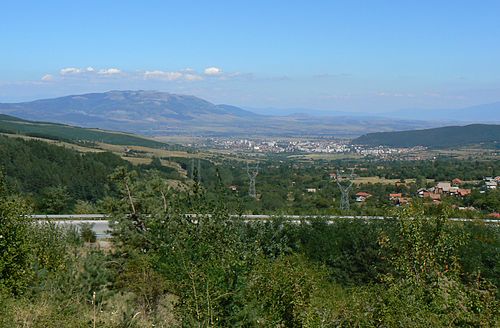
Kyustendil is a city located in southwestern Bulgaria, renowned for its rich cultural history and beautiful natural surroundings. Nestled in the Kyustendil Valley, the city lies at the foot of the picturesque Osogovo Mountains, making it a popular destination for both tourists and residents seeking outdoor activities and scenic views. The city has a population of approximately 45,000 people and serves as the administrative center of the Kyustendil Province. Its strategic position, just 80 kilometers from Sofia and near the border with North Macedonia, has played a role in its historical significance and development.
The town's history dates back to ancient times, with origins tracing to the Thracian period. Kyustendil was known as Pautalia in Roman times and was an important settlement due to its thermal springs, which are believed to have therapeutic properties. The city has numerous archaeological sites and historical landmarks, including the remains of Roman baths, medieval churches, and Ottoman-era architecture. One notable site is the Church of St. George, characterized by its impressive frescoes and vibrant colors, reflecting the city’s rich religious heritage. In modern times, Kyustendil has gained recognition for its agricultural production, particularly its fruits, such as cherries and peaches, earning it the nickname "the fruit garden of Bulgaria."
Kyustendil hosts various cultural events and festivals throughout the year, celebrating local traditions and the arts. The annual Cherry Festival, held in June, attracts both locals and visitors as it showcases the region's fruit heritage and offers a variety of entertainment, food, and crafts. Additionally, the city is known for its educational institutions, including schools and vocational training centers, contributing to the region's development and growth. Surrounded by nature, the nearby Osogovo Mountains offer a range of recreational opportunities, including hiking and skiing in winter, making Kyustendil a vibrant blend of cultural richness and natural beauty.
Facts about Kyustendil
- Kyustendil is known as the 'City of the Spring' due to its mild climate and abundance of mineral springs, making it a popular health resort.
- The city was a significant settlement in Roman times, known as Pautalia, and it still retains many ancient Roman ruins, including a well-preserved Roman theater.
- Kyustendil hosts the annual 'Kyustendil Cherry Festival,' celebrating the region's famous cherries with local produce, music, and cultural events.
- The city is home to the oldest Bulgarian historical organization, 'The Kyustendil Historical Museum,' which showcases artifacts dating back to the Thracian times.
- Kyustendil is recognized for its unique cultural landscape, including traditional Bulgarian folklore preserved in rural areas nearby and numerous cultural festivals.
- The town has a deep connection to Bulgarian art, being the birthplace of the prominent painter and sculptor, Vladimir Dimitrov - Maistora, often referred to as 'The Master'.
- In the early 20th century, Kyustendil became known for its rich cultural life, including influential writers and artists who resided in the town during the Bulgarian National Revival.
- Kyustendil's diverse architecture features a blend of Ottoman, Bulgarian National Revival, and modern styles, unique compared to many other towns in Bulgaria.
- The nearby Rila Monastery, a UNESCO World Heritage site and a key symbol of Bulgarian culture, is within close proximity to Kyustendil, increasing its cultural significance.
- Local legends say that the town was founded by the Thracian King Rhesus, who appears in Greek mythology, further adding to its rich historical heritage.