La Barca, Mexico
- 35,219 people
- 9 places to visit
- 20.2907, -102.5458
Places to Visit (9)
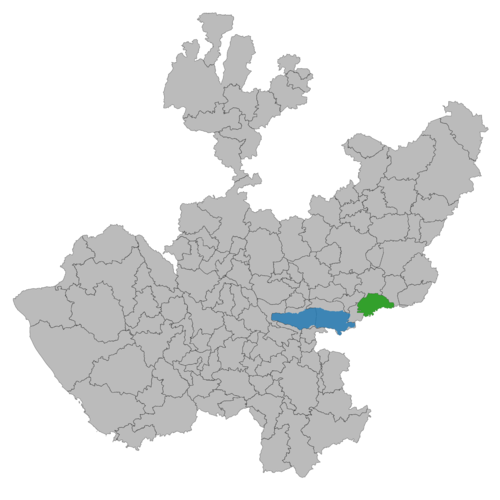
La Barca is a municipality and city located in the state of Jalisco, Mexico. Positioned alongside the Rio Santiago, it serves as a vital connection between the inland regions of Western Mexico and the Lake Chapala area. Originally founded in the late 19th century, La Barca has developed from a small agricultural settlement into a thriving community that plays an important role in the local economy. The city's name, which translates to "The Boat," reflects its historical reliance on the navigable waters of the river for transportation and commerce.
The economy of La Barca primarily revolves around agriculture, with a focus on the cultivation of crops such as corn, beans, and various fruits. Livestock farming also contributes to the economic landscape, providing essential resources for both local consumption and trade. The region's fertile land and ample water supply from the river support these activities. In addition to agriculture, La Barca has been developing its tourism sector, boasting beautiful natural landscapes and cultural heritage that attract visitors. The city features historical architecture, traditional festivals, and a lively local market that showcases regional handicrafts, foods, and customs.
Culturally, La Barca is rich in traditions, reflecting the indigenous and colonial histories of the area. The local population celebrates several festivals throughout the year, including religious events that honor patron saints and cultural fairs that highlight regional music, dance, and cuisine. The community's strong sense of identity is preserved through these traditions, making La Barca a unique representation of the diverse cultures that constitute Mexico. With a growing population and a commitment to economic and cultural development, La Barca continues to evolve while maintaining its historical significance and local charm.
Facts about La Barca
- La Barca is known for its unique location on the banks of the Santiago River, which provides scenic views and opportunities for fishing and boat tours.
- The town is famous for its rich tradition of pottery and the production of ceramic works, reflecting the area's indigenous craftsmanship.
- La Barca hosts an annual cultural festival called 'Feria de la Barca,' celebrating local music, dance, food, and traditional crafts.
- The town is historically significant as a crossing point for both traders and travelers, serving as a vital link between the states of Jalisco and Michoacán.
- La Barca is home to the historic 'Parroquia de San Pedro Apóstol,' a colonial-era church known for its beautiful architecture and cultural importance.
- The town is recognized for its production of traditional Mexican sweets, particularly 'cajeta,' a sweet made from goat's milk.
- La Barca's economy is heavily influenced by agriculture, particularly the cultivation of avocados and limes, which thrive in the region's fertile lands.
- La Barca is situated within a region known for its rich biodiversity, offering unique flora and fauna not found in many other parts of Mexico.
- The town has a small but vibrant community of artists, contributing to local cultural life and unique artistic expressions that differ from other regions.
- La Barca's historical roots date back to the pre-Hispanic period, with archaeological evidence of ancient settlements in the area.