La Ceiba, Honduras
- 222,055 people
- 7 places to visit
- 15.7703, -86.7919
Places to Visit (7)
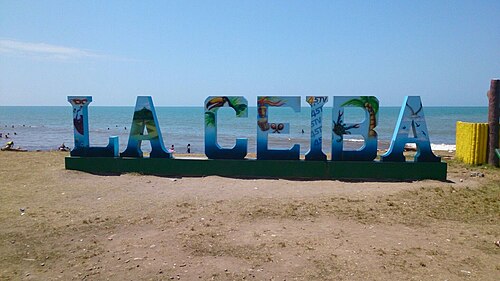
La Ceiba is a vibrant city located on the northern coast of Honduras, in the Atlántida department. Founded in the mid-19th century, it has grown into one of the country's largest cities and serves as a key cultural and economic hub. Situated along the Caribbean Sea, La Ceiba has a tropical climate, characterized by warm temperatures and significant rainfall, particularly during the rainy season from October to December. This climate supports lush vegetation and abundant biodiversity in the surrounding areas, making La Ceiba a gateway to various natural attractions, including the nearby cloud forests and the Pico Bonito National Park.
The city's economy is diverse, with agriculture, tourism, and trade being significant contributors. La Ceiba is often referred to as the "Cultural Capital of Honduras" due to its lively atmosphere, especially during its famous Carnival, which attracts visitors from across the country and beyond. The celebration features colorful parades, traditional music, dance, and local cuisine, reflecting the rich cultural heritage of the region. Additionally, La Ceiba is an important port city, with its harbor facilitating trade and tourism, including ferry services to nearby islands such as Utila and Roatán, which are part of the Bay Islands.
La Ceiba is also home to various educational institutions, including the Universidad Autónoma de Honduras en la Ceiba (UAH), which plays a significant role in the region's higher education landscape. The city has made strides in improving infrastructure, healthcare, and safety, although like many urban centers in Honduras, it continues to face challenges related to crime and economic disparities. Overall, La Ceiba is a dynamic city that offers a unique blend of natural beauty, cultural richness, and economic opportunity, making it an important part of Honduras's identity and future.
Facts about La Ceiba
- La Ceiba is known as the 'Gateway to the Bay Islands,' serving as a departure point for travelers heading to Roatán and Utila.
- The city hosts the annual La Ceiba Carnival, one of the largest and most colorful festivals in Honduras, attracting both locals and tourists.
- La Ceiba is famous for its diverse and vibrant ecosystem, home to the nearby Pico Bonito National Park and Cuero y Salado Wildlife Refuge.
- The city has a rich history as a port town, becoming a key player in the banana trade in the late 19th and early 20th centuries.
- La Ceiba was one of the first cities in Honduras to have a modern sewer system and electricity, reflecting its development during the early 1900s.
- The city's name derives from the 'ceiba' tree, which is considered sacred in many cultures, symbolizing strength and resilience.
- La Ceiba features the longest fence in Central America, which protects the central park, known for its iconic bougainvillea and community gatherings.
- It is recognized for its vibrant nightlife, particularly along the Calle 14 and Avenida San Isidro, known for bars and music venues.
- La Ceiba has a significant Garifuna population, celebrating Afro-Indigenous culture through music, dance, and culinary traditions.
- The city is home to the La Ceiba’s Malecon, a picturesque waterfront promenade that showcases the beauty of the Caribbean coast.