La Garde, France
- 28,257 people
- 6 places to visit
- 43.1288, 6.0172
Places to Visit (6)
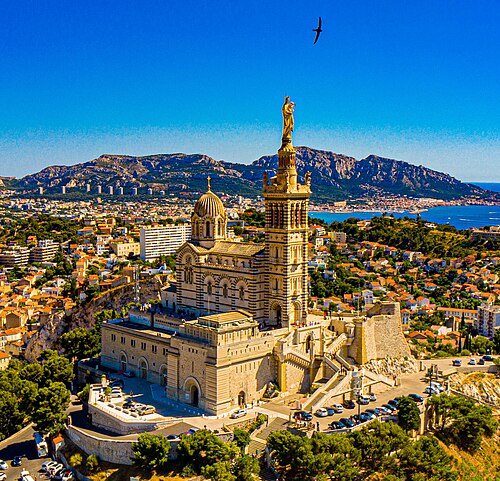
La Garde is a commune located in the Var department in the Provence-Alpes-Côte d'Azur region of southeastern France. Situated just north of the city of Toulon, it benefits from both the natural beauty of the surrounding area and proximity to the Mediterranean coast. The town has a population of approximately 24,000 residents and covers an area of about 7.5 square kilometers, offering a mix of urban and peri-urban living. La Garde's geographical position provides easy access to a variety of recreational opportunities, including parks, hiking trails, and beaches, making it a favored location for families and outdoor enthusiasts.
The commune is well-connected by public transport, with a train station that links it to Toulon and other nearby cities. It also offers accessibility via a network of roads, enhancing its attractiveness as a residential area for those commuting to Toulon for work. La Garde features a number of historical sites, including the Church of Saint-Pierre, which showcases architectural elements from various periods, reflecting the town's rich cultural heritage. The local economy is supported by small businesses, education, and public services, providing a balanced lifestyle for its inhabitants. La Garde is also known for its vibrant community life, with numerous local events, markets, and festivals that foster a sense of belonging among residents. As part of the Toulon Provence Méditerranée Metropolis, La Garde continues to develop while maintaining its essential character, making it a quaint yet dynamic place to live and visit.
Facts about La Garde
- La Garde is known for its unique geographical location, situated near the vibrant city of Toulon in the Var department, granting it both a scenic coastal view and proximity to regional amenities.
- The town has a rich military history, being in close proximity to the Toulon naval base, one of the largest in France, which has influenced its development and local economy.
- La Garde features the historic 'Château de La Garde,' a landmark that dates back to the 15th century and serves as a reminder of the town's feudal past.
- The town celebrates the Festival of Saint Roch every September, a traditional event reflecting the region's cultural heritage which includes processions and local culinary specialties.
- La Garde is distinct for its extensive green spaces, particularly the Parc de la Farlède, which offers recreational opportunities for both residents and visitors, distinguishing it from more urbanized areas.
- The town is part of the Toulon Provence Méditerranée urban community, which fosters collaboration on economic and cultural development within the region.
- La Garde has a population of approximately 25,000 residents, making it a smaller town that offers a close-knit community feel compared to bustling cities like Marseille or Nice.
- The local economy is diversified, with a mix of residential areas, commercial zones, and industries including high-tech and craftsmanship, showcasing varied employment opportunities.
- La Garde has invested in sustainable urban development, emphasizing green architecture and public transport options to enhance the quality of life for its inhabitants.
- The town is served by the 'Toulon-La Garde' train station, providing convenient access to major cities in the region, which is a distinct feature compared to many smaller French towns.