La Louvière, Belgium
- 76,668 people
- 11 places to visit
- 50.4766, 4.1815
Places to Visit (11)
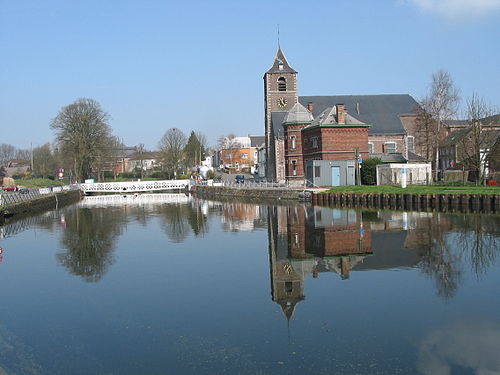
La Louvière is a city located in the Walloon region of Belgium, specifically within the province of Hainaut. Historically significant for its industrial roots, the city emerged during the 19th century as a key player in the coal mining industry. Named after the French word for “the wolf’s den,” La Louvière was established based on its strategic location and wealth of natural resources. The city underwent rapid industrialization, attracting workers and leading to substantial urban growth. The region's infrastructure improved significantly during this period, notably with the establishment of the Canal du Centre, facilitating the transport of coal and contributing to La Louvière's economic expansion.
In contemporary times, La Louvière remains a vibrant urban center with a diverse cultural scene. The city's heritage is preserved in various museums and historical sites, such as the Bois du Cazier, which commemorates the victims of a tragic mining disaster in 1956. The city promotes art through its various galleries and hosts cultural events that celebrate local traditions and crafts. La Louvière is also known for its architectural landmarks, including the Grand Place and the impressive Basilica of Saint-Christophe. Due to its rich history and active community life, La Louvière continues to attract visitors, making it a notable example of the resilience and evolution of post-industrial cities in Belgium.
Facts about La Louvière
- La Louvière is known for its unique 'boat lift', the Écluse de Ronquières, which is one of the largest in the world and raises boats 73 meters.
- The city is home to the famous 'Tramways de La Louvière' heritage tramway, which showcases the region's transportation history and offers tourist rides.
- La Louvière has a strong historical connection to the coal mining industry and is part of the UNESCO World Heritage site of the Béthune Canal.
- The architecture of La Louvière is characterized by its Art Deco and modernist structures, especially evident in the famous 'La Louvière Town Hall'.
- It hosts the annual 'Festival International de Sculpture' which attracts artists from around the world to create large-scale sculptures throughout the city.
- La Louvière is known for its cultural diversity and hosts the 'Semaine de la Diversité', promoting various cultural expressions and communities.
- The city is also recognized for its 'Bataille de la Sûre' Festival, commemorating a significant moment in local history during World War I.
- La Louvière is home to the 'Musée de la Louvière', which features a variety of exhibits related to the city's industrial past and local art.
- The city has a unique tradition of 'Ducasse' festivities, which include a vibrant parade with folkloric characters and is considered a key cultural event.
- La Louvière is the birthplace of the famous Belgian cartoonist André Franquin, known for creating the beloved comic series 'Spirou et Fantasio'.