La Oliva, Spain
- 25,884 people
- 5 places to visit
- 28.6101, -13.9267
Places to Visit (5)
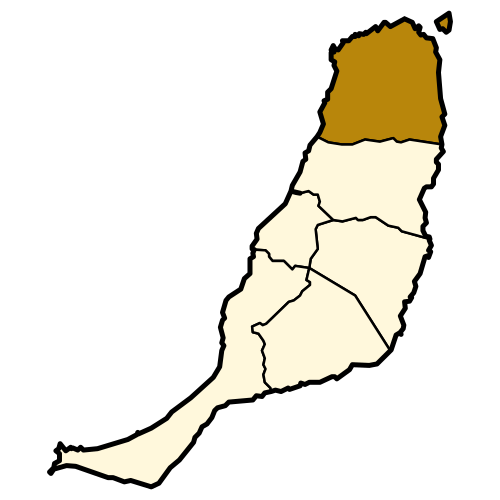
La Oliva is a municipality and town located on the northern side of Fuerteventura, one of the Canary Islands, Spain. Established in 1834, it is known for its stunning natural landscapes, sandy beaches, and rich cultural heritage. The name "La Oliva" is derived from the word for olive tree, though the region is better known for its agriculture, particularly the cultivation of crops such as tomatoes and potatoes. This municipality spans an area of approximately 1,591 square kilometers and includes several smaller towns and villages, contributing to its diverse cultural and scenic appeal.
The town of La Oliva serves as the administrative center of the municipality and is characterized by its historic architecture, including the 18th-century Church of Our Lady of Candelaria, which is a focal point for both locals and visitors. La Oliva's location provides access to spectacular beaches like El Cotillo and the crystal-clear waters of the Atlantic Ocean, making it a popular destination for tourists seeking watersports and relaxation. The region also boasts natural parks, such as the Parque Natural de las Dunas de Corralejo, which is known for its distinctive sand dunes and diverse wildlife.
Culturally, La Oliva hosts various festivals throughout the year, celebrating traditional Canarian music, dance, and cuisine. This vibrant atmosphere, combined with its picturesque landscapes and historical significance, makes La Oliva an appealing destination for many tourists who wish to explore the uniqueness of the Canary Islands. The town not only represents the historical and agricultural aspects of the region but also serves as a gateway to the natural beauty and recreational opportunities that Fuerteventura has to offer.
Facts about La Oliva
- La Oliva is located on the island of Fuerteventura, which is part of the Canary Islands, known for its stunning beaches and volcanic landscapes.
- The town is known for its traditional Canarian architecture, featuring whitewashed buildings with colorful wooden balconies.
- La Oliva has historical significance as it was the administrative capital of Fuerteventura in the 19th century.
- The town is home to the Casa de los Coroneles, a 19th-century mansion that served as the residence of the military governor, showcasing the island's colonial heritage.
- La Oliva is known for hosting the annual Festival de la Música de La Oliva, which celebrates traditional and contemporary music, attracting artists from across the Canary Islands.
- La Oliva is surrounded by unique natural parks, including the striking landscapes of the Parque Natural de las Dunas de Corralejo, which features sand dunes and diverse ecosystems.
- The town serves as a gateway to the nearby UNESCO Biosphere Reserve of Fuerteventura, promoting eco-tourism and environmental conservation efforts.
- La Oliva has a rich agricultural history, with the cultivation of Aloe Vera being a notable aspect of the local economy, producing high-quality products for international export.
- The local cuisine reflects a blend of Spanish and African influences, with dishes such as 'gofio' and 'papas arrugadas' being popular regional specialties.
- La Oliva is home to various local artisans and craftsmen, featuring unique handmade products such as pottery and textiles that showcase traditional Canarian culture.