La Orotava, Spain
- 41,833 people
- 12 places to visit
- 28.389, -16.5239
Places to Visit (12)
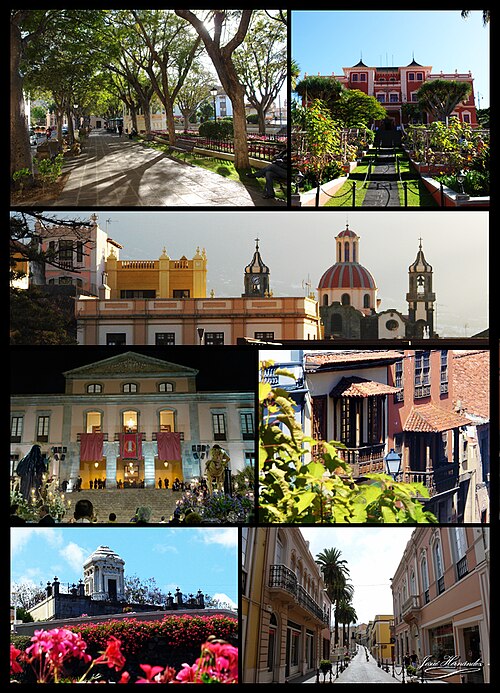
La Orotava is a picturesque municipality located in the northern part of Tenerife, one of the Canary Islands in Spain. Nestled in the fertile Orotava Valley, the town overlooks the Atlantic Ocean and is framed by the impressive Teide National Park, which features Spain's highest peak, Mount Teide. With a population of approximately 41,000 residents, La Orotava is known for its rich cultural heritage, colonial architecture, and lush landscapes. The town has retained much of its historical charm, largely due to preservation efforts that maintain its traditional Canarian style. Visitors are often drawn to the cobblestone streets, beautiful plazas, and stunning gardens, including the famous Hijuela del Jardín Botánico.
The cultural significance of La Orotava is further highlighted by its annual festivals and events, which celebrate local traditions and customs. One of the most notable is the Corpus Christi festival, celebrated with elaborate flower carpets filling the streets. The town is also home to historic landmarks such as the Church of Our Lady of Conception, a 17th-century church featuring a striking wooden balcony and intricate woodwork, and Casa de los Balcones, a traditional Canarian house that showcases the island's architectural style. Additionally, La Orotava benefits from a mild climate, which makes it a year-round destination for both tourists and locals alike. The combination of its natural beauty, compelling history, and vibrant cultural life makes La Orotava an essential stop on anyone's journey through the Canary Islands.
Facts about La Orotava
- La Orotava is known for its unique architectural heritage, with an array of traditional Canarian buildings, featuring wooden balconies and intricate designs that reflect the colonial era.
- The city is famous for its annual International Carpet Festival (Festival de las Alfombras), where colorful carpets of flower petals and colored sands are created on the streets for the Feast of Corpus Christi.
- La Orotava hosts the oldest house in Tenerife, 'Casa de los Balcones,' built in the 17th century, which showcases exquisite local craftsmanship and is a significant tourist attraction.
- The town is located in a lush valley at the foot of Mount Teide, the highest peak in Spain, and is surrounded by stunning natural landscapes, including botanical gardens and vineyards.
- La Orotava boasts a rich agricultural tradition, particularly in the cultivation of canary potatoes and wine, contributing to its recognition as a region of high-quality gastronomy.
- The city was the first place in the Canary Islands to establish an education system, with the ‘Colegio de San Isidro’ dating back to the 18th century.
- La Orotava has a unique climate, known for its microclimates that create diverse vegetation, making it a paradise for botanists and nature lovers.
- The city is home to the beautiful Parque Taoro, a stunning park offering panoramic views of the Orotava Valley and the Atlantic Ocean, featuring waterfalls, gardens, and walking paths.
- La Orotava’s historic center is a UNESCO World Heritage Site, recognized for its well-preserved colonial architecture and cultural significance.
- The town celebrates a unique local festival called 'Fiestas de la Virgen de la Concepción,' where ornate processions and traditional music bring the community together every December.