La Plata, Argentina
- 195,443 people
- 18 places to visit
- -34.9205, -57.9536
Places to Visit (18)
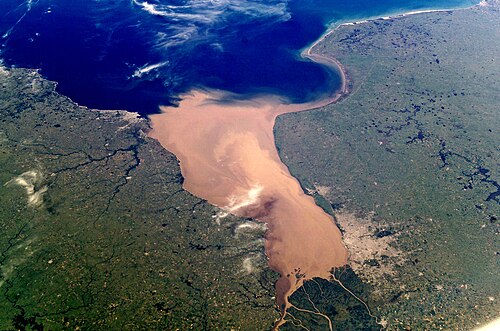
La Plata, the capital city of Buenos Aires Province in Argentina, is renowned for its distinctive urban planning and rich cultural heritage. Founded in 1882 by the Argentine architect and urban planner Pedro Benoit, it was designed as a planned city to serve as the provincial capital. La Plata features a grid layout, characterized by wide avenues and diagonal streets, which leads to the central square, Plaza Moreno. This square is bordered by impressive neo-Gothic structures, including the iconic La Plata Cathedral, one of the tallest churches in South America. The city is also home to various important institutions, including the National University of La Plata, established in 1905, which is a major center for academic research and higher education in Argentina.
Culturally vibrant, La Plata is known for its museums and theaters, with the Museo de La Plata being one of the most significant, housing extensive collections in natural history, anthropology, and archaeology. The city also boasts a lively arts scene, including the Teatro Argentino, which hosts opera and ballet performances. La Plata's parks and green spaces, such as Parque Saavedra and Parque Pereyra, provide residents and visitors with recreational opportunities in a city often referred to as "the city of diagonal streets." The city has a diverse economy, heavily reliant on education, commerce, and public administration, while also supporting a burgeoning technology sector. With its blend of architectural beauty, educational prominence, and cultural richness, La Plata stands out as a significant urban center in Argentina.
Facts about La Plata
- La Plata, founded in 1882, was designed by the architect Pedro Benoit as a planned city, featuring a grid layout and numerous parks.
- The city is known for its distinctive Cathedral of La Plata, which is the largest in Argentina and boasts neo-Gothic architecture inspired by European cathedrals.
- La Plata is home to one of the most important universities in Argentina, the National University of La Plata, which is renowned for its research and educational programs.
- The city features the Paseo del Bosque, a large green space that includes a zoo, botanical gardens, and a historical museum, making it one of the largest parks in Argentina.
- La Plata has a unique diagonal street pattern, which differentiates it from many other Argentine cities, creating a distinctive urban landscape.
- It is recognized as the 'City of Diagonals', owing to its numerous diagonal thoroughfares that connect various parts of the city.
- The city has a rich cultural scene, hosting numerous theaters, including the famous Teatro Argentino, which is one of the country's most important opera houses.
- La Plata is known for the presence of the Teatro Municipal, which is one of the oldest theaters in Argentina, showcasing local and international productions.
- La Plata was the site of the first college of architects in Argentina, established in 1905, highlighting its historical significance in the field of architecture.
- The city is also famous for its annual Carnival celebrations, which attract visitors from all around the country for vibrant parades and cultural activities.