La Romana, Dominican Republic
- 208,437 people
- 9 places to visit
- 18.4339, -68.9659
Places to Visit (9)
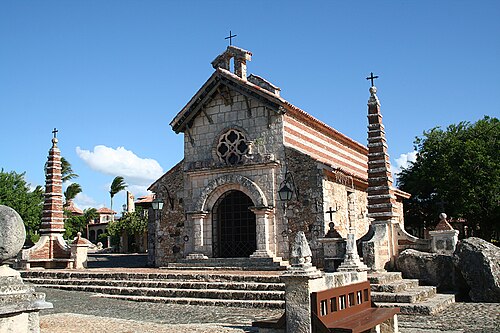
La Romana is a city located on the southeastern coast of the Dominican Republic. It is the capital of the La Romana province and is situated approximately 110 miles east of Santo Domingo, the capital of the country. Founded in the 19th century, La Romana initially grew as a center for the sugar industry due to its favorable climate and fertile land. The city became more prominent with the establishment of the Central Romana sugar mill in 1917, which played a significant role in the local economy and attracted workers from various regions. Over time, La Romana has transformed into a vibrant city known for its picturesque beaches, rich cultural heritage, and tourism-driven economy.
Today, La Romana is widely recognized as a tourist destination, offering visitors a range of attractions, including pristine beaches such as Bayahibe and Dominicus, which are part of the Dominican Republic's eastern national parks. The city's proximity to Saona Island, a popular excursion spot, further enhances its appeal. In addition to its natural beauty, La Romana boasts various cultural sites, such as the Altos de Chavón, a replica of a 16th-century Mediterranean village that features artisan shops, galleries, and an amphitheater. The local economy is supported not only by tourism but also by agriculture, manufacturing, and services. With a population of around 200,000, La Romana continues to grow and evolve, balancing its industrial roots with the charm of a coastal city that attracts international visitors.
Facts about La Romana
- La Romana is home to the famous Altos de Chavón, a replica of a 16th-century Mediterranean village that serves as an arts and cultural center.
- The city is known for its sugar industry, historically being one of the largest sugar-producing regions in the Dominican Republic.
- La Romana boasts one of the Caribbean's largest golf courses, Casa de Campo, which hosts international tournaments and attracts golf enthusiasts from around the world.
- It is the site of the Lyceum of Fine Arts, which plays a significant role in the cultural development of the city, offering various art courses and events.
- La Romana's port serves as a vital shipping hub, facilitating trade and tourism, while also being a popular cruise ship destination.
- The city has a rich baseball culture and has produced many Major League Baseball players, contributing to its reputation in the sport.
- The nearby island of Catalina, famous for its beautiful beaches and coral reefs, is a popular excursion spot for tourists visiting La Romana.
- La Romana's history dates back to its establishment in the late 19th century, where it quickly developed due to the sugar cane industry.
- The city is home to the stunning Chavón River, which offers picturesque views and recreational activities such as boating and fishing.
- La Romana hosts the annual Carnival, a vibrant celebration that features traditional Dominican music, dance, and colorful parades, distinguishing it from other carnivals in the country.