Lae, Papua New Guinea
- 76,255 people
- 9 places to visit
- -6.7155, 146.9999
Places to Visit (9)
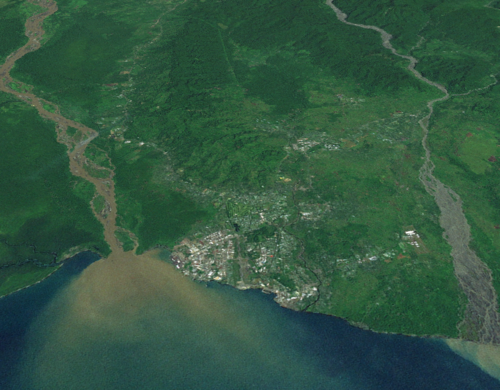
Lae is the second-largest city in Papua New Guinea (PNG), situated on the southeastern coast of the island of New Guinea, along the banks of the Huon Gulf. With a population exceeding 100,000, Lae serves as a vital economic and transportation hub for the country. The city's strategic location enables it to function as a major port, facilitating the export of agricultural products and minerals, including coffee, cocoa, and gold. Developed primarily as a trading and agricultural center, Lae has diversified its economy through industrial ventures, including manufacturing and processing operations, which support local employment.
Lae is characterized by its vibrant cultural mix, influenced by the diverse ethnic groups present in the region, each contributing to a rich tapestry of traditions and languages. The city is known for its festivals, including the Lae Show, which celebrates local arts, crafts, and agricultural achievements. The climate in Lae is tropical, with a wet season that runs from November to April, contributing to its lush landscapes. Educational institutions, such as the University of Technology, play a crucial role in higher education and vocational training, fostering local talent for various industries. Despite challenges such as infrastructure development and public services, Lae remains a key player in PNG's growth, continually adapting to meet the needs of its inhabitants and the larger economy.
Facts about Lae
- Lae is the second-largest city in Papua New Guinea and serves as the industrial hub of the country.
- The city is located on the Huon Gulf and offers the largest seaport in Papua New Guinea, which is critical for trade and transportation.
- Lae was established as a small town during World War II, initially serving as a base for Allied forces.
- The city hosts the Lae International Trade Fair, which is one of the largest trade events in the country, highlighting local products and services.
- Lae is known for its diverse population, with various ethnic groups contributing to its rich cultural landscape.
- The National Polytechnic Institute of Papua New Guinea, located in Lae, focuses on vocational education and training, helping to develop skilled labor for the country.
- Lae is a gateway to the Highlands region, providing access to numerous adventure tourism opportunities, including hiking and cultural experiences.
- The city is home to the Lae Botanical Gardens, established in the 1970s, which showcases native flora and is a popular recreational spot.
- Lae has a significant role in the education sector with several secondary schools and institutions, making it a center for student relocation.
- Local cuisine in Lae is influenced by its multicultural environment, offering a unique blend of traditional Papuan, Asian, and Western dishes.