Lafayette LA, United States
- 127,657 people
- 16 places to visit
- 30.2241, -92.0198
Places to Visit (16)
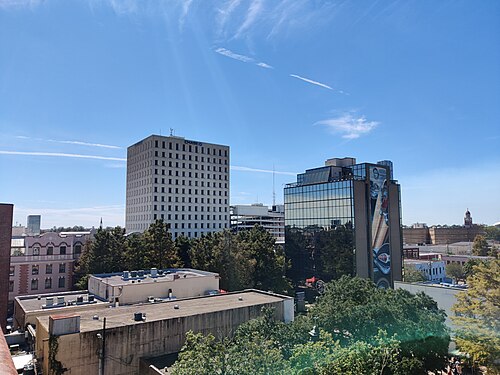
Lafayette, Louisiana, is a vibrant city located in the heart of Acadiana, an area known for its rich Cajun and Creole cultures. Established in 1821, Lafayette is often referred to as the "Zydeco Capital of the World," a nod to its deep roots in music, dance, and cultural festivities. The city serves as the parish seat of Lafayette Parish and is part of the larger Lafayette-Opelousas-Morgan City Metropolitan Statistical Area. With a population of over 125,000, Lafayette ranks as the fourth-largest city in Louisiana. Its diverse demographics reflect a tapestry of cultures, with a strong French influence evident in the local dialect, cuisine, and traditions.
The local economy is primarily driven by the oil and gas industry, healthcare, and education, with the University of Louisiana at Lafayette (UL Lafayette) playing a significant role in the region’s higher education landscape. The university, founded in 1898, offers a wide range of degree programs and contributes to the area’s research and innovation initiatives. Lafayette is also famous for its culinary scene, characterized by hearty dishes such as gumbo, jambalaya, and crawfish étouffée, which attract food enthusiasts from all over. The city hosts various festivals throughout the year, including the Lafayette Food Festival and the Festivals Acadiens et Créoles, which celebrate local music, food, and art, drawing thousands of visitors to the region.
Outdoor enthusiasts find a wealth of natural beauty in Lafayette, with numerous parks, bayous, and waterways that offer recreational opportunities. The nearby Atchafalaya Basin, one of the largest swamps in the United States, provides a thriving habitat for wildlife and serves as a popular location for fishing, kayaking, and bird-watching. The city’s rich history and lively cultural scene make Lafayette a unique blend of tradition and contemporary life, embodying the spirit of southern Louisiana. With its welcoming community, beautiful scenery, and flavorful cuisine, Lafayette continues to be a dynamic destination that reflects the heart and soul of Cajun country.
Facts about Lafayette
- Lafayette is known as the 'Hub City' due to its strategic location at the intersection of several major highways in Louisiana.
- The city has a rich Acadian heritage, being home to a large population of descendants of French-speaking Acadians who were exiled from Canada in the 18th century.
- Lafayette hosts the largest outdoor free festival in the United States, the 'Festival International de Louisiane,' which celebrates the culture and music of Louisiana and the Francophone world.
- The pre-Civil War Girard Park, located in the center of Lafayette, is known for its historic oak trees and provides a glimpse into the region's past landscaping and architecture.
- Lafayette is recognized for its vibrant Cajun and Creole culture, offering unique culinary experiences, including dishes like jambalaya, gumbo, and boudin.
- The city is home to the University of Louisiana at Lafayette, one of the largest universities in the state, which contributes to the area's educational and cultural landscape.
- Lafayette's vibrant music scene is deeply rooted in Zydeco and Cajun music, with live performances occurring regularly at local venues and events.
- One of the notable landmarks in Lafayette is the Acadian Village, which is a living history museum featuring Acadian-style homes and structures, showcasing the region's cultural heritage.
- The Lafayette Science Museum, with its planetarium and interactive exhibits, serves as a key educational resource and family attraction in the region.
- Lafayette has been recognized as a 'Top Town for a Small Business' by various publications, reflecting its supportive environment for entrepreneurs and local businesses.