Laghouat, Algeria
- 134,372 people
- 3 places to visit
- 33.808, 2.8629
Places to Visit (3)
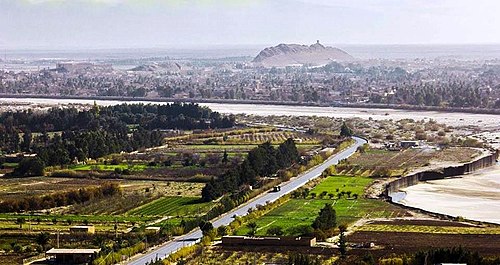
Laghouat is a city located in Algeria's central highlands, serving as the capital of Laghouat Province. Situated at an elevation of approximately 1,200 meters (3,937 feet) above sea level, the city is characterized by its mountainous terrain and arid desert climate. Laghouat has a rich history, established as an important stop in the trans-Saharan trade route during the Islamic Golden Age. The city played a pivotal role in connecting North Africa to sub-Saharan regions, enabling the flow of goods like gold, salt, and textiles.
In contemporary times, Laghouat is known for its diverse cultural heritage, with influences from Berber, Arab, and French civilizations evident in its architecture and urban landscapes. The city features several historical sites, including the ancient Ksar of Laghouat, a traditional fortified village that showcases the local architectural style. Laghouat is also home to the University of Laghouat, founded in 1998, which contributes to the region's educational development and attracts students from across Algeria. The local economy is primarily driven by agriculture, with the fertile plains surrounding the city supporting crops like wheat and barley, as well as livestock farming. Additionally, the region is rich in mineral resources, including iron and phosphate, which play a role in the local economy.
Laghouat enjoys a mix of modernity and tradition, with evolving infrastructural developments that support its growing population, which numbers around 150,000 inhabitants. Local traditions, such as music and dance, are celebrated through various cultural festivals, making it a vibrant hub of local arts. Accessibility to Laghouat has improved in recent years due to developments in road infrastructure, providing better connectivity to other major cities like Algiers and Ghardaïa. This growth, combinеd with its historical significance and cultural richness, positions Laghouat as an important city in Algeria's ongoing development and heritage preservation efforts.
Facts about Laghouat
- Laghouat is known as the 'Gateway to the Sahara', serving as a major entry point to the desert regions of Algeria.
- The city's architecture prominently features traditional Saharan style, characterized by mud-brick buildings and narrow alleyways.
- Laghouat played a significant role during the Algerian War of Independence, being a strategic location for resistance groups.
- The city is home to the ancient Ksar of Laghouat, a UNESCO World Heritage site, which showcases the traditional fortification architecture of the region.
- Laghouat is famous for its palm groves and oases, contributing to the local agriculture and economy through dates and cereals cultivation.
- The region hosts a unique cultural festival known as the 'Laghouat Date Festival', celebrating the harvest of dates with various cultural activities and contests.
- Laghouat has a distinct blend of Arab, Berber, and French influences, evident in its local cuisine, language, and customs.
- The city is situated at an altitude of approximately 1,050 meters (3,450 feet) above sea level, making it one of the higher towns in Algeria and contributing to its unique climate.
- Laghouat boasts several historical mosques, including the Great Mosque of Laghouat, an important religious and cultural landmark.
- The surrounding region is rich in archaeological sites, some dating back to prehistoric times, which makes Laghouat significant for researchers and historians.