Lagos, Portugal
- 33,494 people
- 1 places to visit
- 37.1028, -8.673
Places to Visit (1)
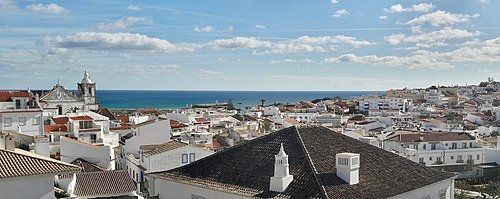
Lagos is a picturesque city located in the Algarve region of southern Portugal, renowned for its stunning coastline, rich history, and vibrant culture. Situated approximately 90 kilometers west of Faro, the administrative center of the Algarve, Lagos is bordered by the Atlantic Ocean and offers a blend of beautiful beaches, dramatic cliffs, and charming streets. The city has a population of around 30,000 residents and serves as an important tourist destination, attracting visitors with its warm climate, historical landmarks, and outdoor activities. Among its most famous beaches are Praia Dona Ana and Meia Praia, known for their golden sands and crystal-clear waters, which contribute to Lagos's reputation as a summer getaway.
The history of Lagos dates back to prehistoric times, with evidence of human habitation in the area for thousands of years. It was once a significant port during the Age of Discoveries, acting as a crucial embarkation point for explorers setting sail to Africa and beyond. The city's historical architecture reflects its past, with remnants of the old city walls, the 17th-century fortress known as Ponta da Bandeira, and the impressive Church of St. Anthony, adorned with exquisite gilded woodwork. In addition to its historical significance, Lagos boasts a lively local culture characterized by traditional markets, festivals, and a thriving nightlife scene, particularly during the summer months. The city is well-connected to other major urban areas through public transport, making it easily accessible for tourists eager to explore the rich heritage and natural beauty of the Algarve. The city's blend of history, culture, and stunning landscapes positions Lagos as one of Portugal's most appealing destinations.
Facts about Lagos
- Lagos is known for its stunning coastline, featuring over 20 beautiful beaches, such as Praia Dona Ana and Meia Praia, making it a popular destination for sunbathers and water sports enthusiasts.
- The city is historically significant as an important port during the Age of Discoveries, particularly in the 15th century when it served as a launching point for explorations to Africa and beyond.
- Lagos boasts the Ponta da Piedade, a striking natural formation of golden cliffs and sea caves, which attracts tourists and photographers alike for its breathtaking views.
- The city's history is commemorated at the Forte da Ponta da Bandeira, a 17th-century fort that offers insight into the region's military past and stunning views of the coastline.
- Lagos is home to the slave market of the 16th century, known as Mercado de Escravos, which was one of the first slave markets in Europe, reflecting the darker aspects of the city’s maritime history.
- The city hosts the annual Lagos dos Descobrimentos festival, celebrating its maritime heritage with parades, reenactments, and cultural events that draw both locals and visitors.
- Lagos has a vibrant nightlife scene, notably in the historic city center, which is distinct from many other cities in the Algarve, making it popular among younger tourists.
- The Church of St. Anthony (Igreja de Santo António) is known for its lavish Baroque interior and exhibits artifacts from the city's rich religious history distinct from other churches in Portugal.
- Lagos has been recognized for its commitment to sustainable tourism and environmental initiatives, making it a model for other tourist destinations in Portugal.
- The city has a unique blend of traditional Portuguese architecture and modern amenities, setting it apart from other cities that may lean more heavily towards one style.