Lalitpur, India
- 126,475 people
- 24.6912, 78.4138
No places available for this city.
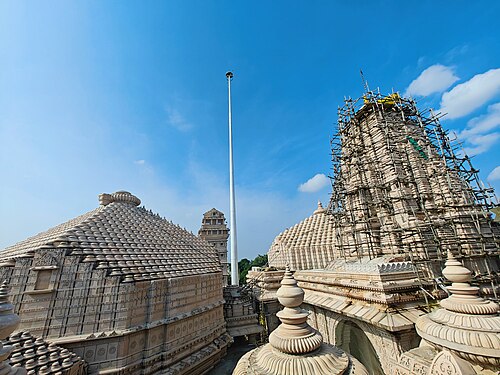
Lalitpur, also known as Patan, is a historic city situated in the southern part of the Kathmandu Valley in Nepal, near the border with India. It is one of the three main cities in the valley, alongside Kathmandu and Bhaktapur. Renowned for its rich cultural heritage, Lalitpur serves as an important center for the Newar community, the indigenous inhabitants of the valley. This vibrant city is historically significant and is characterized by its beautiful traditional architecture, including numerous temples, stupas, and palaces. The iconic Patan Durbar Square, a UNESCO World Heritage Site, showcases exquisite craftsmanship with intricate wood and stone carvings, reflecting the artistry of the Newar artisans.
Lalitpur is also known for its commitment to preserving traditional art forms, with various workshops and institutions dedicated to promoting crafts such as wood carving and metalworks. The city is home to several important religious sites, including the Hiranya Varna Mahavihar, a Buddhist monastery that is significant for its architectural grandeur, and the Mahabouddha Temple, famous for its unique terracotta tiles. The city celebrates various festivals throughout the year, attracting both locals and tourists alike, including the famous Indra Jatra and Biska Jatra. Economic activities in Lalitpur primarily revolve around trade, tourism, and crafts, contributing to the local economy while showcasing its enduring cultural identity. With its blend of historical significance and a lively modern community, Lalitpur remains a vital part of the cultural tapestry of Nepal, drawing visitors who seek to experience its unique heritage and charm.
Facts about Lalitpur
- Lalitpur, also known as Patan, is one of the oldest cities in the Kathmandu Valley and was established in the 3rd century AD.
- The city is renowned for its rich cultural heritage and is a UNESCO World Heritage Site, home to many historic temples and architectural masterpieces.
- Lalitpur is famous for its beautiful three-tiered temples, particularly the Krishna Mandir, which showcases intricate stone carvings and is a key example of the city’s craftsmanship.
- The Patan Museum, located in a former royal palace, is celebrated for its extensive collection of traditional Nepalese arts and artifacts, making it a cultural hub.
- The city has a unique tradition of offering handmade crafts and artworks, particularly metalwork and woodwork, which sets it apart from other urban centers in India.
- Lalitpur hosts the annual Patan Durbar Square Festival, which features traditional dances, music, and a display of local crafts, attracting visitors from around the world.
- The locals speak Nepal Bhasa, which is also known as Newar language, distinguishing Lalitpur’s cultural identity from other regions in India.
- The city is home to various ancient Buddhist stupas and monasteries, reflecting its historical significance as a center for Buddhism and Hinduism.
- Lalitpur's architecture features an amalgamation of Hindu and Buddhist styles, making it a unique example of religious harmony in urban design.
- The city is known for its vibrant community of artisans and craftsmen, especially in the fields of wood carving, metalwork, and pottery, contributing to its artistic legacy.