Lamezia Terme, Italy
- 70,501 people
- 13 places to visit
- 38.9747, 16.3183
Places to Visit (13)
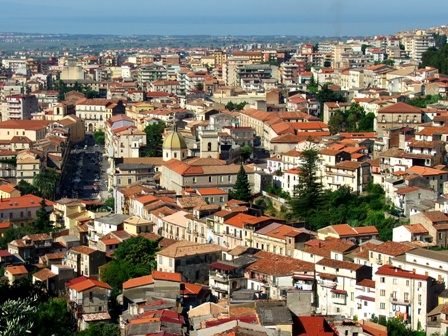
Lamezia Terme is a town located in the Calabria region of southern Italy, renowned for its historical significance, natural beauty, and strategic position. Situated at the convergence of the Tyrrhenian and Ionian coasts, Lamezia Terme serves as a vital transportation hub within Calabria, home to the region's primary airport, Lamezia Terme International Airport, which connects the area to major cities in Italy and Europe. The town’s climate is characterized by mild temperatures, making it an attractive destination for tourists seeking year-round sunshine. The surrounding landscape features rolling hills, lush vegetation, and an expansive coastline, offering opportunities for outdoor activities and exploration.
Historically, Lamezia Terme was formed by the merger of three smaller towns—Nicastro, Sambiase, and Sant'Eufemia Lamezia—in the 1960s. These towns have rich pasts that date back to ancient times. Nicastro is particularly noted for its medieval architecture and landmarks, including the Norman castle that overlooks the town. The city is also home to the Romanesque Revival Church of St. Mary, which stands as a testament to the region's religious heritage. In addition to its historical sites, Lamezia Terme boasts a vibrant cultural scene, with annual festivals celebrating local traditions, music, and cuisine. The region is known for its production of high-quality olive oil, wines, and traditional dishes that reflect Calabria's culinary heritage, such as 'nduja, a spicy spreadable salami.
Lamezia Terme's economic activity is diverse, encompassing agriculture, tourism, and small industry. The town's economy benefits from its agricultural products, particularly citrus fruits and olives, while its picturesque landscapes attract visitors looking for a mix of relaxation and adventure. The nearby beaches, such as those at Capo Suvero, are popular for their clear waters and water sports. Additionally, Lamezia Terme serves as a gateway to explore the broader Calabria region, including the Sila National Park and the Aspromonte mountains, making it a key destination for both domestic and international travelers. As the local economy continues to evolve, Lamezia Terme remains a critical center for trade, culture, and tourism in Calabria.
Facts about Lamezia Terme
- Lamezia Terme is known for its unique blend of historical influences, with remnants from Ancient Greeks, Romans, and Byzantines evident in the architecture and archaeological sites.
- The city is home to the Norman Castle of Santo Bendetto, which dates back to the 11th century, offering stunning views of the surrounding region and the Tyrrhenian Sea.
- Lamezia Terme hosts one of the largest thermal spa complexes in Italy, attracting visitors for its therapeutic thermal waters that have been used since ancient Roman times.
- The city is a major agricultural hub, particularly famous for its cultivation of red onions, which have been granted PGI (Protected Geographical Indication) status.
- Lamezia Terme has a unique geographical location, situated between two vital calabrian coastlines - with the Tyrrhenian Sea to the west and the Ionian Sea to the east.
- The local dialect, spoken by many residents, is heavily influenced by Greek, reflecting the historical presence of Greek culture in the region.
- Lamezia Terme is notable for its international airport, which is one of the key gateways to Calabria, facilitating access to the region's cultural and natural attractions.
- The city's annual Lamezia Film Fest celebrates independent cinema, making it a important event in Italy's film industry highlighting emerging filmmakers.
- Lamezia Terme is recognized for its vibrant local festivals, particularly the Feast of St. Joseph, where traditional foods and customs play a central role in the community's culture.
- The beautiful Francavilla Angitola Lake, located just outside Lamezia Terme, is popular for recreational activities and is surrounded by stunning natural landscapes.