Lamía, Greece
- 52,006 people
- 9 places to visit
- 38.8997, 22.4337
Places to Visit (9)
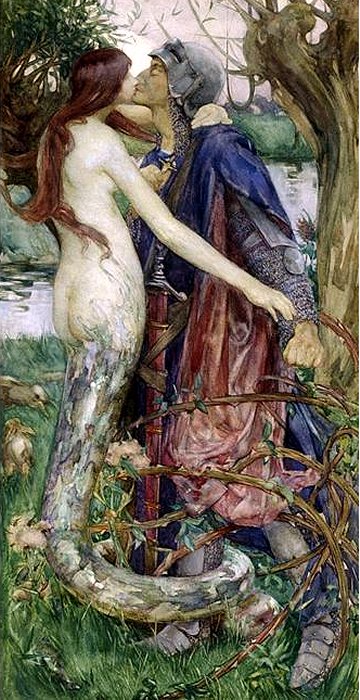
Lamía is a city located in central Greece, serving as the capital of the regional unit of Phthiotis. Nestled at the foot of Mount Othrys, it occupies a strategic position near the essential roadways connecting northern and southern Greece. With a rich history that dates back to ancient times, Lamía played a significant role in various historical events, including battles and power struggles that characterized ancient Greece. The city's name is often associated with the myth of Lamia, a figure from Greek mythology who was said to be a child-eating monster. This mythological connection adds a layer of cultural depth to the city's identity.
Today, Lamía is a blend of modern and historical influences, with archaeological sites and traditional architecture coexisting alongside contemporary developments. The city's historical center features a mix of classic Ottoman-era buildings, Byzantine churches, and remnants of ancient structures, offering a glimpse into its multifaceted past. Significant landmarks include the ancient fortress of Lamía, which overlooks the city and provides insights into its strategic importance in historical conflicts, and the archaeological museum that houses artifacts showcasing the region's rich history. Lamía is also known for its vibrant local culture, characterized by festivals, traditional cuisine, and warm hospitality, making it an attractive destination for both tourists and scholars interested in Greek heritage.
Economically, Lamía serves as a commercial hub for the surrounding agricultural regions. The area is known for producing agricultural products, including olives, cereals, and various fruits, contributing to the local economy. Additionally, Lamía benefits from its proximity to major transportation networks, facilitating trade and travel. The city is well-connected through roadways, linking it to other key cities in Greece, including Athens and Thessaloniki. As a city that balances tradition with modernity, Lamía continues to develop while maintaining its historical charm, making it an integral part of Greece's cultural and economic landscape.
Facts about Lamía
- Lamía is known for its strategic location, serving as a gateway between Central Greece and Thessaly, which has made it an important historical military outpost.
- The city is famous for the Battle of Lamia in 323 BC, where Antipater fought against the forces of the anti-Macedonian coalition led by the Lamian League.
- Lamía is home to the historic Lamia Castle, a fortress built by the Byzantine Empire in the 12th century, which offers panoramic views of the surrounding region.
- The city hosts the annual 'Lamia Carnival', which is one of the most vibrant and well-attended carnivals in Greece, celebrating local traditions and culture.
- Lamía is known for its rich culinary tradition, particularly its unique version of the dish 'Kavourmas', a stew made with various meats and local herbs.
- Adjacent to Lamía is the Valley of the Kifisos River, an area steeped in mythology, said to be frequented by the ancient hero Hercules.
- The city has significant archaeological sites, including remnants from the ancient Greek city of Kalligonia, which is believed to have been strategically important during various historical periods.
- Lamía is also notable for its thermal springs, attracting visitors seeking relaxation and therapeutic benefits.
- The city has a vibrant arts scene, with local artists and craftsmen continuing traditional Greek art forms, particularly ceramics and textiles.
- Lamía maintains a blend of modern and traditional lifestyles, making it a unique vignette of Greek urban life, differing from other larger cities like Athens or Thessaloniki.