Lampang, Thailand
- 156,139 people
- 8 places to visit
- 18.2855, 99.5128
Places to Visit (8)
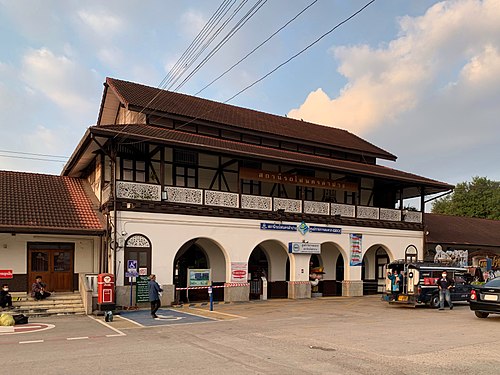
Lampang is a city located in northern Thailand, known for its rich cultural heritage and historical significance. As the capital of Lampang Province, the city is situated about 600 kilometers north of Bangkok and serves as a key commercial and transportation hub in the region. It is characterized by its charming streets lined with traditional wooden houses and is notably famous for its unique Lanna-style architecture. The city has a population of around 60,000 residents and plays a significant role in preserving the traditional lifestyle of the Lanna people, who are indigenous to northern Thailand.
Lampang is particularly renowned for its rich history in the production of ceramics and the presence of the Lampang Elephant Conservation Center, which emphasizes the historical relationship between the people of Lampang and elephants, once utilized as working animals in the logging industry. Visitors to the city can explore various cultural attractions, such as Wat Phra That Lampang Luang, a highly revered temple that showcases Lanna architectural style and is considered one of the most important Buddhist sites in Thailand. Other notable sites include the local markets and the Lampang Horse Cart, a unique mode of transport that reflects the city's low-key charm and commitment to traditional lifestyles.
In addition to its historical and cultural attractions, Lampang is surrounded by natural beauty, with lush mountains and rivers contributing to the area's scenic landscape. The nearby Doi Khun Tan National Park offers opportunities for hiking and ecotourism, allowing visitors to experience the rich biodiversity of the region. Lampang's blend of cultural heritage, historical significance, and natural beauty makes it an attractive destination for tourists seeking an authentic experience of northern Thailand. The city continues to celebrate its unique identity, fostering a sense of community while welcoming visitors from around the world.
Facts about Lampang
- Lampang is known for its unique horse-drawn carriages, which are widely used for transportation in the city, offering a charming throwback to traditional Thai transport.
- The city is home to the famous Wat Phra That Lampang Luang, one of the most significant temples in Thailand, demonstrating Lanna architecture and housing a sacred Buddha relic.
- Lampang has a rich history of being a center for teak wood trade, with historical buildings showcasing the influence of teak-related commerce in the region.
- The city hosts the annual Lampang Elephant Festival, celebrating the historical relationship between the people and elephants, which is a significant part of northern Thai culture.
- Lampang is unique for its preserved colonial architecture, particularly in the downtown area, reflecting the city's historical importance during the teak logging boom.
- At the King Cobra Village in Lampang, visitors can experience up-close interactions with snakes and learn about snake conservation and research efforts.
- The region around Lampang is home to several hot springs, making it popular for wellness tourism, with visitors seeking therapeutic baths in natural settings.
- Unlike many other Thai cities, Lampang maintains less of a commercialized tourist atmosphere, offering a more traditional and relaxed environment for visitors.
- Lampang is also recognized for its ceramic industry, particularly the production of high-quality pottery, which showcases local craftsmanship and artistry.
- The city serves as a gateway to explore nearby national parks, including Chae Son National Park, which boasts stunning waterfalls and hiking opportunities.