Lanciano, Italy
- 34,791 people
- 12 places to visit
- 42.2254, 14.3892
Places to Visit (12)
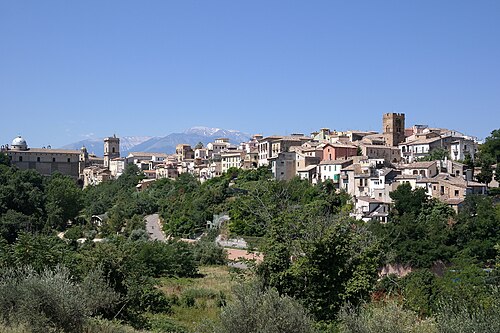
Lanciano is a historic city located in the Abruzzo region of Italy, specifically in the province of Chieti. Nestled on a hilltop with picturesque views of the surrounding countryside, Lanciano has a rich history that dates back to ancient times. The city is believed to have been founded by the Romans, and archaeological evidence suggests it was an important settlement even before the Roman conquest. Today, Lanciano is known for its well-preserved medieval architecture, charming narrow streets, and vibrant cultural life, making it a significant tourist destination.
A hallmark of Lanciano is its striking medieval structures, particularly seen in the town’s historic center. One of its most famous landmarks is the Church of Santa Maria del Ponte, built over 1,000 years ago, along with several other churches that showcase a mix of Romanesque and Gothic architectural styles. The city is also notable for its 14th-century Piazza del Plebiscito, a central square that serves as a gathering place for locals and visitors alike. Besides its architectural wonders, Lanciano is celebrated for its culinary heritage, especially its exceptional local wines and traditional pasta dishes, such as "scrippelle." The city also takes pride in the annual events that celebrate its cultural and religious traditions, including the Feast of the Holy Eucharist, which pays homage to a historical miracle involving the Eucharist that is central to the city's identity.
Lanciano is not only a monument to the past but also a thriving community with a population of around 33,000 inhabitants. Its location in the Abruzzo region makes it an important hub for exploring the natural beauty of nearby parks and the Adriatic coast. The local economy is bolstered by agriculture, notably cereal and olive production, along with tourism. Furthermore, the city has embraced modernization while preserving its historical essence, inviting visitors to experience both its ancient heritage and its contemporary culture. With a blend of history, culture, and stunning scenery, Lanciano stands out as a captivating destination in Italy.
Facts about Lanciano
- Lanciano is renowned for the miraculous Eucharistic miracle that occurred in the 8th century, when a priest doubted the transubstantiation of the bread and wine, leading to the host transforming into flesh and blood.
- The city is home to the Church of San Francesco, which features remarkable frescoes from the 14th century, showcasing the rich artistic heritage of the region.
- Lanciano is positioned in the Abruzzo region and serves as a historical gateway between the Apennines and the Adriatic Sea, making it significant for trade and cultural exchange.
- The city boasts ancient Roman ruins, including portions of Roman walls and remnants of a Roman amphitheater, highlighting its historical importance during Roman times.
- Lanciano hosts the annual 'Festival of the Eucharistic Miracle' which attracts pilgrims and tourists from around the world, celebrating its spiritual significance.
- The town is famous for its local production of 'Ventricina,' a spicy Italian salami that has gained recognition for its unique flavor and artisanal methods of preparation.
- Lanciano is one of the oldest towns in Abruzzo, with origins tracing back to the ancient Piceni tribe around 500 BC, showcasing layers of history and culture.
- The Cathedral of Santa Maria del Ponte is a notable landmark in Lanciano, known for its impressive bell tower and Byzantine-style architecture that stands out in the region.
- Lanciano has a rich tradition of festivals, including the 'Palio di San Francesco,' a historical reenactment that celebrates the city's medieval past with colorful parades and competitions.
- The historical center of Lanciano is characterized by its beautiful medieval streets, charming piazzas, and a blend of Gothic and Renaissance architectural styles, making it a unique destination in Italy.