Lanzhou, China
- 3,000,000 people
- 14 places to visit
- 36.0614, 103.8342
Places to Visit (14)
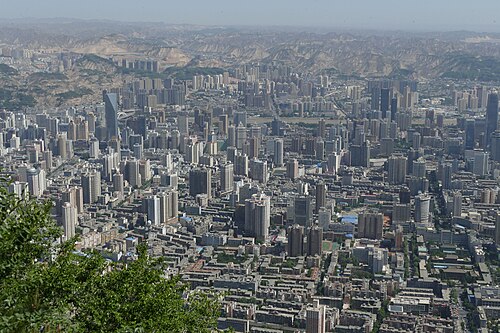
Lanzhou, the capital of Gansu Province in north-central China, is a city with a rich history and a strategic geographical location. Positioned along the Yellow River, Lanzhou serves as a vital communication and transportation hub connecting eastern and western China. The city has a population of over 3 million people and features a blend of modern urban development and traditional Chinese culture. Lanzhou’s history dates back over 2,000 years, with its establishment as a military outpost during the Han Dynasty. This historical significance, coupled with its role in the Silk Road trade route, has contributed to its diverse cultural heritage, which includes influences from various ethnic groups, notably the Hui and Tibetan communities.
Lanzhou is known for its distinctive natural environment, surrounded by mountains and known for its dry climate. The city's landscape is characterized by the iconic Yellow River, which not only provides a water source but also shapes the local economy and lifestyle. Lanzhou is famous for its unique culinary offerings, particularly Lanzhou beef noodles, which have gained popularity both domestically and internationally. The city also boasts several key tourist attractions, such as the Zhongshan Bridge, one of the first iron bridges in China; the Gansu Provincial Museum, which houses an extensive collection of historical artifacts; and the White Pagoda Mountain, which offers scenic views of the city and the river below.
In recent years, Lanzhou has undergone significant development and modernization efforts, including improvements in infrastructure, transportation systems, and urban planning. The Lanzhou Zhongchuan International Airport has facilitated better connections with other major cities, supporting trade and tourism. The local government has also focused on promoting sustainable development strategies to preserve its unique cultural and natural resources. With an increasing emphasis on education and industry, particularly in sectors such as biotechnology and renewable energy, Lanzhou is poised for continued growth, serving as a dynamic center for both historical reflection and contemporary innovation in China.
Facts about Lanzhou
- Lanzhou is known as the 'Key City of the Silk Road,' serving as a major stop for traders and a cultural exchange point since ancient times.
- The city is famous for its unique hand-pulled noodle dish called 'Lanzhou Lamian,' which has gained popularity throughout China and internationally.
- Lanzhou is located along the Yellow River, the second-longest river in China, which has significant historical and cultural importance.
- The city hosts the annual 'Lanzhou International Lugu (Logistics) Conference,' which emphasizes its role in both historical and modern trade networks.
- Lanzhou is home to the Gansu Provincial Museum, which houses the 'Mogao Caves' artifacts, showcasing rich Buddhist art and history.
- The Zhongshan Bridge, built in 1907, is one of the first bridges constructed over the Yellow River and is a symbol of Lanzhou's development.
- Lanzhou is known for its unique desert climate, with hot summers and cold winters, along with striking geography that includes mountains and rivers.
- The city is also a significant industrial center, particularly in the fields of petrochemicals and machinery, contributing to China's economic landscape.
- Lanzhou's cultural diversity is reflected in its cuisine, which incorporates tastes from Tibetan and Hui (Muslim) populations, making it a foodie destination.
- The city has been involved in several key historical events, such as being a strategic military site during the Long March in Chinese revolutionary history.