Lárisa, Greece
- 146,926 people
- 12 places to visit
- 39.639, 22.4191
Places to Visit (12)
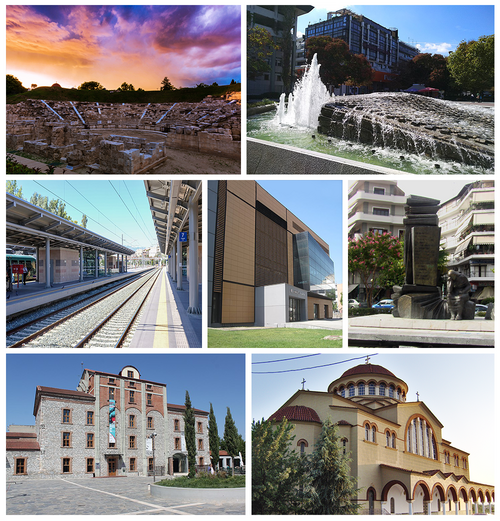
Lárisa, the capital of the Thessaly region in Greece, is one of the country’s largest cities and boasts a rich historical and cultural heritage. Strategically located at the foot of Mount Olympus and the Pindus mountain range, it serves as a significant agricultural center, benefiting from the fertile plains surrounding it. The city's history dates back to ancient times, with evidence of habitation as early as the prehistoric period. Lárisa played a vital role in Greek history, being associated with the ancient Thessalian League and renowned for its contributions to agriculture, economy, and military endeavors.
Architecturally, Lárisa blends its ancient past with modern developments. The city features numerous historical sites, including the impressive Roman amphitheater and remnants of Byzantine churches, which reflect its diverse cultural influences over the centuries. The Koursoum Mosque, built in the 14th century, stands as a testament to the Ottoman presence in the region. Additionally, Lárisa’s vibrant urban life is characterized by bustling markets, shops, and cafes, which attract visitors and locals alike. The city has also invested in contemporary infrastructure, enhancing public facilities and transportation, making it a convenient hub for exploring Thessaly.
Culturally, Lárisa hosts an array of festivals, exhibitions, and events throughout the year, celebrating both its heritage and contemporary artistic expressions. Educational institutions, including the University of Lárisa, contribute to the city's youthful vibe and academic atmosphere. The surrounding natural landscapes, such as the Pindus mountains and historical sites like the ancient ruins of Crannon and Larisa in the neighboring areas, provide ample opportunities for outdoor activities and exploration. As a city that harmoniously intertwines its rich history with modernity, Lárisa offers a unique glimpse into Greece's diverse past while thriving as a dynamic urban environment.
Facts about Lárisa
- Lárisa is known as the 'City of the Ancient Theater,' home to one of the best-preserved ancient theaters in Greece, which dates back to the 3rd century BC.
- The city's strategic location in Thessaly has made it a significant center for agriculture, particularly known for its production of wheat and cotton.
- Lárisa has a rich historical background, with roots tracing back to the ancient times, encompassing influences from various civilizations, including the Greeks, Romans, and Byzantines.
- The city is the birthplace of famous figures in Greek history, such as the ancient physician Hippocrates, often referred to as the 'Father of Medicine.'
- Lárisa is known for the impressive Achaean Gate, an ancient Roman gate that serves as a prominent archaeological site and a historical landmark.
- The city hosts the annual Festival of Ancient Theatre, which celebrates classical Greek drama and attracts visitors from around the world.
- The Lárisa Fortress, built in the Byzantine era, offers panoramic views of the city and serves as a reminder of the region's military history.
- Lárisa is distinct for its vibrant cultural scene, including numerous art galleries and museums, such as the Lárisa Archaeological Museum, which showcases artifacts from the region's rich past.
- The city is famous for its local delicacies, particularly the popular dish called 'Bougatsa,' a savory or sweet pastry filled with custard or cheese, reflecting its culinary heritage.
- Lárisa has a significant role in modern Greece's agricultural sector and serves as an educational hub with multiple institutions focusing on agronomy and veterinary science.