Las Piedras, Uruguay
- 69,682 people
- 7 places to visit
- -34.727, -56.216
Places to Visit (7)
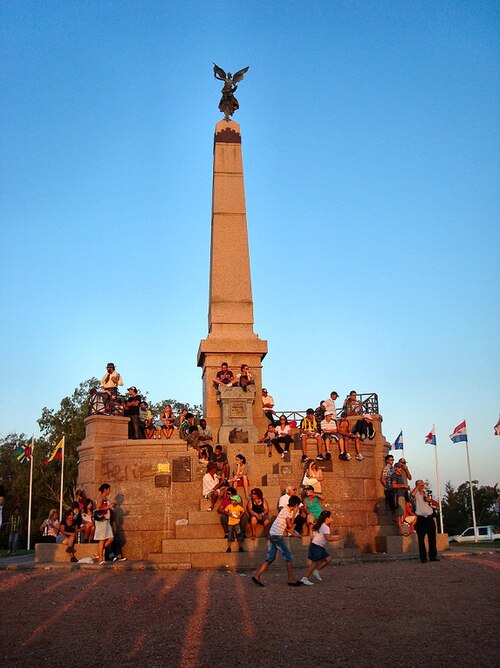
Las Piedras is a city located in the Canelones Department of Uruguay, approximately 20 kilometers northeast of the capital city, Montevideo. It serves as both a town and a key municipal node within the region. The city was founded in 1873 and has developed into a significant urban area characterized by a mix of residential, commercial, and industrial activities. Las Piedras is positioned along the Santa Lucía River, which has historically provided essential water resources and contributed to the city’s agricultural and economic prospects.
The population of Las Piedras has grown considerably over the decades, with recent estimates suggesting that it houses around 60,000 residents. This growth reflects broader trends in urbanization within Uruguay, as more people move into cities for better employment and living conditions. The city is well-connected through an extensive network of roads and public transport, making it accessible to commuters working in Montevideo. In addition to its residential areas, Las Piedras features various amenities, including schools, healthcare facilities, parks, and shopping centers, catering to the diverse needs of its inhabitants.
Las Piedras also plays an important cultural and social role in the region. The city hosts multiple events and festivals throughout the year, celebrating local traditions and fostering community spirit. Its historical significance is marked by various architectural landmarks and public spaces that reflect the city’s heritage. As part of Uruguay’s broader economic framework, Las Piedras is involved in agriculture, light manufacturing, and services, contributing to the overall development of the Canelones Department and the nation. The city's blend of residential comfort, economic activity, and cultural vibrancy makes it a noteworthy mention in the urban landscape of Uruguay.
Facts about Las Piedras
- Las Piedras is known for its historical significance as a key location during the early battles of the Uruguayan War of Independence in the early 19th century.
- The city is home to the iconic Estadio Municipal de Las Piedras, which is a central hub for local sports and cultural events.
- Las Piedras features a unique set of natural rock formations from which it derives its name, meaning 'The Stones' in Spanish, distinguishing it from other urban areas in Uruguay.
- The city has a strong industrial presence, particularly in manufacturing, which sets it apart from many other cities that are more reliant on agriculture.
- Las Piedras is notable for its vibrant cultural scene, including annual festivals that celebrate both local music and traditional cuisine.
- The city is well-connected to Montevideo and enjoys a unique position as a suburban area that still maintains its own cultural identity.
- Las Piedras has several parks and green spaces, such as the Parque Artigas, which are popular for recreational activities and community gatherings.
- The local government has invested in various community development projects, making Las Piedras a progressive example of urban planning in Uruguay.
- Las Piedras is recognized for its educational institutions, including several technical schools that cater to the industrial workforce in the region.
- The city's demographics reflect a rich blend of cultures, with influences from Spanish, Italian, and indigenous heritages, contributing to its unique community identity.