Las Piñas, Philippines
- 590,000 people
- 11 places to visit
- 14.4445, 120.9939
Places to Visit (11)
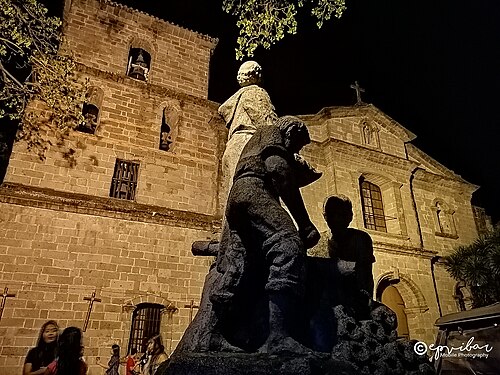
Las Piñas is a city located in the southern part of Metro Manila, Philippines. It is known for its rich cultural heritage, thriving economic activities, and notable landmarks. Established in the 17th century, Las Piñas originally gained prominence due to its strategic location near Manila Bay and its historical significance as a center for the production of bamboo instruments and handicrafts. The city has since evolved into a bustling urban area, contributing significantly to the metropolitan landscape of the National Capital Region.
As of the latest census, Las Piñas has a population of over 600,000 residents, making it one of the more densely populated cities in the Philippines. It is characterized by a mix of residential, commercial, and industrial zones that cater to a diverse demographic. The city is also home to educational institutions, healthcare facilities, and various shopping centers. One of its most recognized landmarks is the St. Joseph Parish Church, famous for its bamboo organ, which is considered one of the country’s national treasures. The city hosts several annual festivals, such as the Las Piñas Bamboo Organ Festival, which celebrates the city’s musical heritage and attracts both local and international visitors.
Las Piñas is well-connected to other parts of Metro Manila through major roads and public transportation systems. Its economy is bolstered by commerce, retail, and small to medium-sized enterprises. The local government has implemented various urban development projects to improve infrastructure and public services, enhancing the quality of life for its residents. The combination of its historical significance, vibrant community, and economic potential makes Las Piñas a noteworthy city in the Philippines, reflecting the country's dynamic culture and growth.
Facts about Las Piñas
- Las Piñas is known for its historical Bamboo Organ, which is the only one of its kind in the Philippines and is housed in the St. Joseph Parish Church.
- The city gained prominence as a significant location during the Philippine Revolution, being a stronghold of revolutionary leaders against Spanish colonial rule.
- Las Piñas is famous for its vibrant yearly festival called the 'Bamboo Organ Festival', which celebrates the unique organ and features local and international musicians.
- The city is home to the Las Piñas-Parañaque Critical Habitat and Ecotourism Area, which is recognized as a protected area for its diverse flora and fauna, as well as its importance as a migratory bird sanctuary.
- It is one of the few cities in Metro Manila that has a coastline, with access to both Manila Bay and the Paranaque River, contributing to its unique geographical features.
- Las Piñas is also noted for its rich cultural heritage, with several historical sites and landmarks, including the Las Piñas Historical Archives and the Bahay na Bato, a preserved Spanish-era house.
- The city is recognized for its progressive initiatives in waste management and environmental sustainability, leading to projects like the EcoZone and various waste segregation campaigns.
- In terms of education, Las Piñas has become a hub for several universities and colleges, making it an educational destination in the southern part of Metro Manila.
- The city has made significant strides in urban development and infrastructure, particularly with the establishment of the C5-Southlink Expressway, which enhances connectivity.
- Las Piñas is known as the 'Home of the Bamboo Organ' and promotes local artisanship, with many residents engaged in the bamboo crafts industry, showcasing the city's unique craftsmanship.