Latakia, Syria
- 709,000 people
- 4 places to visit
- 35.5418, 35.7988
Places to Visit (4)
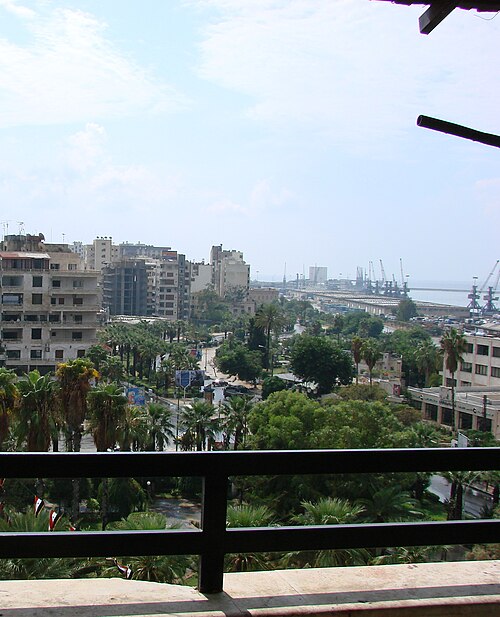
Latakia is a port city situated on the Mediterranean coast of Syria. It serves as the capital of the Latakia Governorate and is one of the country's key economic and cultural centers. The city has a rich history, with origins tracing back to ancient times when it was known as Laodicea. Founded in the third century BCE by King Antiochus I Soter of the Seleucid Empire, Latakia was named after his mother, Laodice. Throughout history, it has been influenced by various civilizations, including the Romans, Byzantines, and Ottomans, each leaving their mark on the city. Today, Latakia is noted for its mix of modern and historical architecture, with remnants of Roman structures, such as the ancient amphitheater and various ruins, coexisting alongside contemporary buildings.
In modern times, Latakia plays a crucial role in Syria’s economy, primarily due to its status as the country’s major seaport. The port facilitates trade and transport, making Latakia a vital gateway for imports and exports. The city's economy is also supported by agriculture, with the surrounding fertile lands producing crops such as citrus fruits, olives, and tobacco. Additionally, Latakia is a popular tourist destination, known for its beautiful beaches, pleasant climate, and scenic landscapes, attracting both domestic and international visitors. The city has developed a reputation for its cultural heritage and festivals, which reflect the diverse influences that have shaped its identity over the centuries. Despite the challenges posed by the ongoing civil conflict in Syria, Latakia remains a significant urban center, representing both the resilience of its people and the enduring appeal of its historical and cultural legacy.
Facts about Latakia
- Latakia is the principal port city of Syria and serves as the main commercial hub for maritime trade, distinguishing it from other cities primarily centered inland.
- Historically, Latakia was known as 'Laodicea' and was founded in the 3rd century BC by King Antiochus I of the Seleucid Empire, making it an important archaeological site.
- The city boasts the ancient fortress of Saladin, a historic citadel built in the 12th century during the Crusades, which attracts many tourists and history enthusiasts.
- Latakia’s beaches along the Mediterranean Sea are quite popular and serve as a significant tourist attraction, differing from the more arid landscapes found in other parts of Syria.
- The city is known for its diverse population, including various ethnic and religious groups, which contributes to its rich cultural heritage and festivals.
- Latakia hosts the annual 'Latakia International Festival,' which features music, theater, and art, showcasing both local and international talents.
- The city serves as a center for the Syrian fishing industry, with its traditional fishing boats and techniques being part of the local economy.
- Latakia is the winter residence of the Syrian government, particularly significant as a center of political activity during times of conflict.
- The region surrounding Latakia is known for its lush landscapes and agricultural products, particularly olives and citrus fruits, making it an important agricultural area.
- Latakia has a strong presence of various universities and educational institutions, fostering higher education and research, which distinguishes it from smaller towns in Syria.