Latina, Italy
- 76,305 people
- 12 places to visit
- 41.4675, 12.9029
Places to Visit (12)
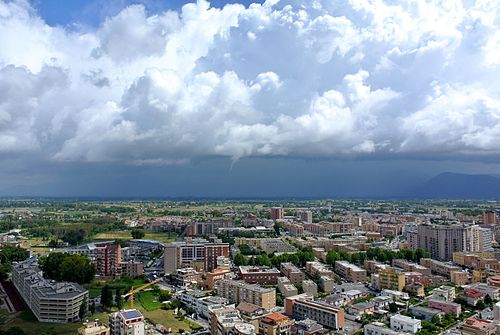
Latina is a city located in the Lazio region of Italy, approximately 60 kilometers southeast of Rome. Initially founded in 1932 as Littoria during the Fascist regime, the city was established as part of an effort to reclaim and cultivate the Pontine Marshes. This ambitious undertaking transformed a previously uninhabitable area into arable land, leading to the settlement of many agricultural workers. The name was changed to Latina in 1946 following World War II, aligning more closely with the Latin heritage of the region and its historical significance.
Today, Latina serves as both an agricultural and industrial hub. It has a population of around 125,000 residents, making it one of the largest cities in the Lazio region outside of Rome. The economy primarily revolves around agriculture, notably the cultivation of fruits and vegetables, as well as industries such as food processing and manufacturing. Latina is well-connected by road and rail, facilitating access to Rome and the surrounding areas. The city is characterized by a blend of modern architecture and remnants of its Fascist-era past, with several buildings displaying neoclassical elements.
Culturally, Latina boasts a vibrant community, hosting various festivals and events throughout the year that showcase local traditions and cuisine. The city offers museums, parks, and historic sites, including the War Memorial and the Gardens of Palazzo M onigo. Additionally, its proximity to beautiful coastal areas, such as Sperlonga and Terracina, enhances its appeal as a destination for both residents and tourists. With its rich history, agricultural roots, and modern amenities, Latina embodies a unique blend of tradition and contemporary life in Italy.
Facts about Latina
- Latina was founded in 1932 as part of Mussolini's plan to reclaim the Pontine Marshes, making it a relatively young city compared to many others in Italy.
- The city is known for its unique Rationalist architecture, which was developed during the Fascist period and is distinct from the Baroque and Renaissance styles commonly found in other Italian cities.
- Latina hosts the annual 'Latina Jazz Festival,' which attracts both national and international artists, highlighting its cultural scene.
- The nearby Circeo National Park features both mountainous and coastal landscapes, distinguishing Latina's natural offerings from other urban areas in Italy.
- Latina is recognized for its significant agricultural production, particularly in the cultivation of artichokes, which plays a crucial role in the local economy.
- Piazza del Popolo, the main square of Latina, is renowned for its unique design and modernist fountains, setting it apart from more traditional piazzas elsewhere in Italy.
- The city’s history is preserved in the Museo della Terra Pontina, which showcases the region's ecological and cultural development.
- Latina has a thriving sports culture, particularly in football and basketball, with local teams that have made an impact on regional competitions.
- The former Pontine Marshes, now a UNESCO recognized site, are neighboring Latina and are of significant historical and environmental importance.
- Latina is home to one of Italy's largest and most significant prisons, the 'Casa Circondariale di Latina,' which adds a unique aspect to its urban character.