Łaziska Górne, Poland
- 21,983 people
- 7 places to visit
- 50.1494, 18.8403
Places to Visit (7)
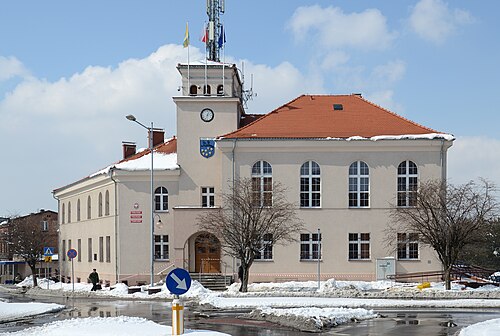
Łaziska Górne is a town situated in Silesia, Poland, which falls under the jurisdiction of the Silesian Voivodeship. It is located within the Katowice metropolitan area and has become a significant urban center in this historically industrial region. The town covers an area of approximately 13.28 square kilometers and, as of the last population census, is home to around 17,000 residents. Łaziska Górne is best known for its rich industrial history, particularly in coal mining and heavy industries, which played a pivotal role in shaping the local economy and urban development throughout the 19th and 20th centuries.
Originally, Łaziska Górne was part of a rural area that gradually transformed into a more urbanized setting due to the rapid expansion of the mining sector. The town, along with its neighbors, faced economic challenges after the decline of coal mining in Poland, prompting a shift towards diversification and the development of new commercial activities. Today, the economy of Łaziska Górne leans more towards services and small to medium enterprises, with many residents commuting to larger cities like Katowice for work. Despite its industrial roots, the town is characterized by a combination of residential neighborhoods, recreational parks, and various community facilities that cater to the needs of its population.
Culturally, Łaziska Górne has seen the establishment of various institutions aimed at promoting local heritage and community engagement. The town hosts several educational facilities, including primary and secondary schools, which contribute to the literacy and educational attainment of its citizens. Local events, festivals, and cultural gatherings foster a sense of community pride, connecting residents to their historical roots while also propelling the town towards a more modern future. As Poland continues to evolve, Łaziska Górne represents a blend of historical significance and contemporary challenges, highlighting the resilience and adaptability of its community in a rapidly changing economic landscape.
Facts about Łaziska Górne
- Łaziska Górne is known for its extensive coal mining history, with mining operations playing a central role in the city's development during the 19th and 20th centuries.
- The city is recognized for its picturesque nature, particularly the surrounding landscapes of forests, which provide recreational opportunities for residents and visitors.
- Łaziska Górne is part of the Upper Silesian metropolitan area, one of the most densely populated urban areas in Poland, which contributes to its vibrant industrial and economic landscape.
- The city was officially granted municipal rights in 1958, distinguishing it from many other towns that have a much longer history of municipal governance.
- Łaziska Górne hosts the annual Łaziska Górne Cultural Festival, celebrating local arts, music, and traditions, which is a highlight for community engagement.
- The city is home to the historic St. Joseph's Church, an example of Neo-Gothic architecture, which serves as an important landmark and community center.
- Łaziska Górne is located close to the city of Katowice, allowing for easy access to urban amenities while maintaining its distinct small-town atmosphere.
- A unique environmental project in Łaziska Górne has transformed former industrial sites into green spaces, exemplifying the city's effort to promote sustainability and improve quality of life.
- The city is known for its diverse community, with a mix of different cultural influences due to the migration of workers in its mining industry.
- Łaziska Górne has made strides in education, with several schools and educational institutions focusing on promoting science and technology among youth.