Le Grand-Quevilly, France
- 26,522 people
- 10 places to visit
- 49.4118, 1.0414
Places to Visit (10)
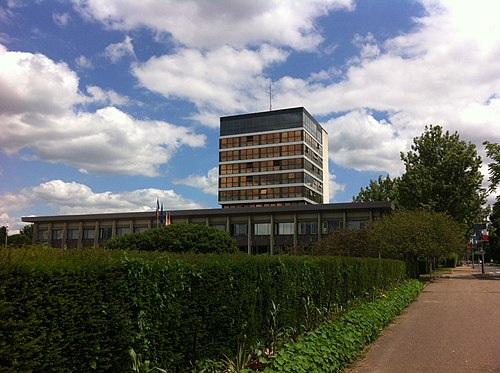
Le Grand-Quevilly is a commune located in the Seine-Maritime department in the Normandy region of northern France. Situated just south of the city of Rouen, it is part of the Rouen metropolitan area. The town is characterized by its strategic position along the Seine River, which has historically contributed to its development, particularly during the industrial revolution. Le Grand-Quevilly is known for its rich historical heritage and close-knit community, with a population of approximately 24,000 residents as of the latest census.
Historically, Le Grand-Quevilly was linked to the burgeoning industries that took root during the 19th century, particularly in textiles and manufacturing. While many of its industrial facilities have since closed or transitioned towards different sectors, the town has adapted by focusing on urban development and improving the quality of life for its residents. Le Grand-Quevilly features a variety of parks, recreational areas, and cultural institutions. The town is served by public transportation, making it easy for residents to access nearby Rouen and other cities in the region.
Local governance in Le Grand-Quevilly places a strong emphasis on community engagement and sustainability. The town has developed initiatives aimed at promoting environmental awareness and enhancing public spaces. Additionally, Le Grand-Quevilly hosts several community events throughout the year that celebrate local culture, art, and history. The combination of its historical significance, strategic location, and commitment to community well-being makes Le Grand-Quevilly a notable place within the Normandy region of France.
Facts about Le Grand-Quevilly
- Le Grand-Quevilly is located in the Normandy region, immediately adjacent to the city of Rouen, making it a key commuter town.
- The city is known for its significant industrial heritage, particularly in the manufacturing sector, which distinguishes it from many other towns in the region.
- Le Grand-Quevilly hosts the 'Palais de Sports', a major sports arena that regularly hosts events and matches, contributing to its vibrant community life.
- The city features a notable cultural site, the 'Théâtre de L'Arsenal', which provides a platform for various performing arts and events, enriching the local cultural scene.
- Le Grand-Quevilly is well-connected by transport infrastructure, including tram and bus services, facilitating easy access to the greater Rouen metropolitan area.
- The city is home to several parks and green spaces, including the 'Parc des Eaux Vives', offering recreational opportunities that enhance its appeal to residents.
- Le Grand-Quevilly plays a significant role in local governance as well as regional planning, often collaborating with neighboring municipalities for development projects.
- The city has a unique modern architectural feature, the 'Les Deux Rives' project, which focuses on urban renewal and enhancing the waterfront along the Seine River.
- Historically, Le Grand-Quevilly has seen various industrial transformations, notably from textile manufacturing to contemporary service-oriented industries.
- The city celebrates its heritage through annual festivals and events, which often showcase local craftsmanship and culture, setting it apart from many other towns in France.