Le Mans, France
- 144,515 people
- 17 places to visit
- 48.0058, 0.2015
Places to Visit (17)
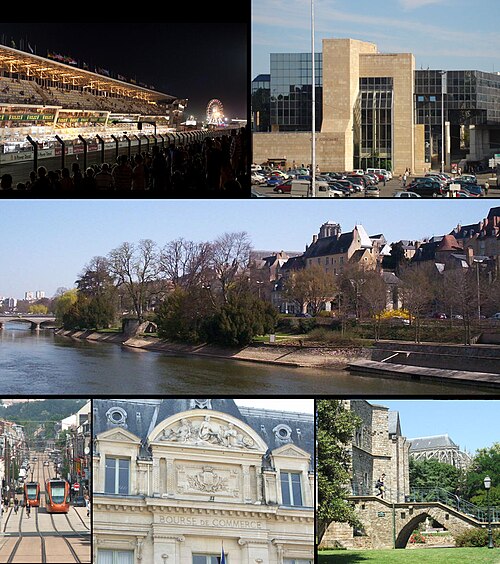
Le Mans is a historic city located in northwestern France, serving as the capital of the Sarthe department in the Pays de la Loire region. Renowned for its rich history and cultural heritage, Le Mans boasts a unique blend of medieval and modern architecture. One of the city’s most notable features is its well-preserved old town, known as the Cité Plantagenêt, characterized by narrow cobblestone streets and half-timbered houses that transport visitors back to the Middle Ages. The Cathedral of Saint-Julien, a masterpiece of Gothic architecture, stands prominently in the city and is famous for its stunning stained glass windows and twin towers. The city’s historical significance is underscored by its role in the Plantagenet dynasty; it served as the birthplace of several notable Kings of England, including Henry II.
In addition to its historical attractions, Le Mans is internationally recognized for the 24 Hours of Le Mans, an iconic endurance race that has taken place annually since 1923 at the Circuit de la Sarthe. This event attracts motorsport enthusiasts from around the globe and showcases cutting-edge automotive technology. The race is more than just a sporting event; it embodies the spirit of innovation and engineering excellence in the automotive industry. Le Mans is also home to various cultural festivals and events, such as the Le Mans Arts Festival, which celebrates the city’s vibrant arts scene with performances, exhibitions, and workshops. Beyond its cultural and historical offerings, Le Mans enjoys a strategic geographical location, lying approximately 200 kilometers southwest of Paris. This accessibility makes it a charming destination for both tourists and business travelers alike, with a unique culinary scene that features local specialties such as rillettes and terrines.
Overall, Le Mans is a city that beautifully encapsulates the charm of French history while embracing contemporary culture and innovation. Its blend of ancient architecture, significant historical landmarks, and dynamic events make it a noteworthy destination for those exploring the cultural landscapes of France.
Facts about Le Mans
- Le Mans is famous for the 24 Hours of Le Mans, the world's oldest active sports car race in endurance racing, held annually since 1923.
- The Old Town of Le Mans, known as the Cité Plantagenêt, features well-preserved medieval architecture, including the St. Julien Cathedral, which is a blend of Romanesque and Gothic styles.
- Le Mans is home to the UNESCO-listed 17th-century Abbey of Epau, originally founded by Queen Bérengère of Navarre, and showcases stunning architecture and gardens.
- The city has a rich Gallo-Roman history, with remnants such as the Roman walls and the ancient amphitheater still visible today.
- Le Mans has a unique festival known as 'Les 24 Heures du Mans,' highlighting not only car racing but also a brilliant display of music, culture, and gastronomy during the race week.
- The city played a significant role in the history of the Plantagenets, with notable figures such as Henry II of England who was born here.
- Le Mans is the capital of the Sarthe department and serves as a central hub for the surrounding region, contributing to its significance in local governance and culture.
- The city boasts one of France's most impressive troglodyte sites (cave dwellings) found in the nearby area, which adds to its diverse historical landscape.
- Le Mans is often referred to as the 'City of Art and History' due to its extensive collection of historical sites, museums, and art galleries.
- The Le Mans raceway has become a symbol of automotive culture, attracting motorsport enthusiasts from all over the world, and has significantly influenced automobile design and engineering.