Lebanon PA, United States
- 25,534 people
- 17 places to visit
- 40.3409, -76.4113
Places to Visit (17)
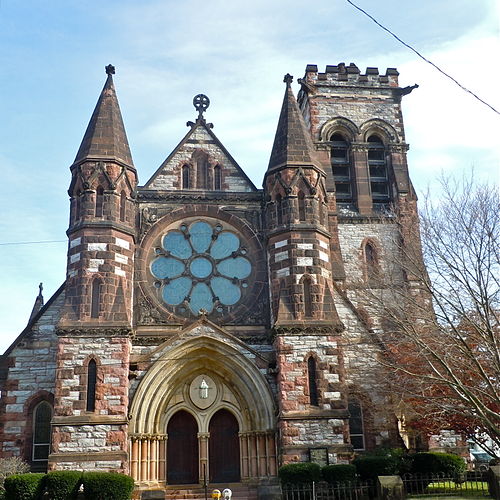
Lebanon, Pennsylvania, is a city located in the east-central part of the state, known for its rich history, diverse community, and agricultural roots. Established in 1753 and incorporated as a city in 1885, Lebanon serves as the county seat of Lebanon County. The city's name is derived from the biblical Lebanon, reflecting the area's early settlers’ influences. Lebanon sits at the intersection of several major roadways, including Interstate 81 and Interstate 76, contributing to its role as a regional transportation hub. The city is historically significant as a center for the Pennsylvania Dutch, with many descendants of these early settlers still residing in the area.
The economy of Lebanon is diverse, featuring agriculture, manufacturing, and retail sectors. The region is known for its production of chicken and other agricultural products, owing to its fertile land. Additionally, the Lebanon Valley Expo Center and Fairgrounds hosts events and fairs, including the annual Lebanon Area Fair, which draws visitors from across the state. Cultural references, such as the Lebanon Farmers Market, emphasize the city's commitment to local produce and crafts. The community benefits from various educational institutions, parks, and community services, providing residents with a high quality of life. As a symbol of resilience and community spirit, Lebanon continues to celebrate its heritage while embracing modern growth and development, making it an interesting destination in Pennsylvania.
Facts about Lebanon
- Lebanon, PA is known as the 'Wooded City' due to its abundant parks and natural beauty, distinguishing it from more urbanized areas.
- The city is home to the Lebanon Valley Expo Center, which hosts a variety of events including the Lebanon County Fair and agricultural exhibitions, showcasing local culture and agricultural heritage.
- Lebanon served as a crucial supply center during the Civil War, reflecting its historical significance in American history.
- The city has a rich tradition of sausage-making, being renowned for both Lebanon bologna and other artisanal cured meats, which are unique to the area.
- Lebanon County is famous for its German heritage, particularly in the surrounding communities, celebrating unique traditions like the annual Lebanon Heritage Festival.
- The historic Lebanon County Courthouse, built in 1855, features notable architecture and is a centerpiece of the downtown district, drawing visitors for its beauty and history.
- Lebanon is recognized for its vibrant arts scene, including the Lebanon Community Library, which hosts cultural events and educational programs.
- The city has a significant connection to the Pennsylvania Dutch culture, evidenced through its cuisine, festivals, and local customs, differing from many other American cities.
- Lebanon has a number of historical sites, including the Cornwall Iron Furnace and the Lebanon Valley Railroad, which give insight into the industrial past of the area.
- The city features numerous murals and public art installations, contributing to a growing reputation as an arts-friendly destination in Pennsylvania.