Lębork, Poland
- 35,161 people
- 14 places to visit
- 54.5448, 17.7531
Places to Visit (14)
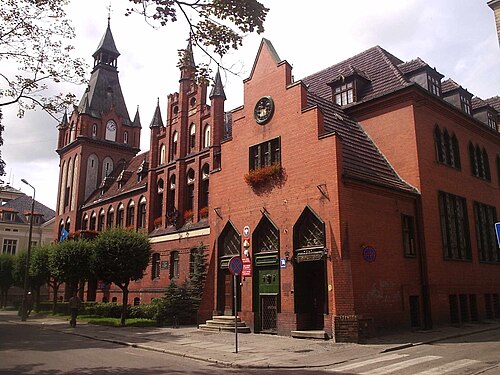
Lębork is a town located in northern Poland, within the Pomeranian Voivodeship. It lies approximately 70 kilometers west of Gdańsk and is part of the larger Lębork County. Lębork has a rich history, first documented in the 13th century when it was established as a town by the Teutonic Knights. Throughout the centuries, it has experienced significant cultural and political changes, transitioning from a Polish settlement to a part of various states including Prussia and Germany before returning to Poland after World War II. The town's historical architecture reflects these diverse influences, with notable landmarks such as the Gothic St. Jacob's Church, dating back to the 14th century, and remnants of the medieval town walls.
Lębork's economy has evolved over the years, transitioning from a primarily agricultural base to a more diversified economy that includes retail, services, and small-scale industrial operations. The demographic landscape of the town has also changed, currently housing a population of around 35,000 residents. The town is known for its cultural events, which are aimed at fostering community spirit and celebrating local traditions. Lębork serves as a center for various local festivals, including those that highlight its historical heritage and promote regional crafts.
Nature and outdoor activities are also significant aspects of life in Lębork, as it features beautiful parks and proximity to the scenic coastal areas of the Baltic Sea. The town is strategically positioned near nature reserves and picturesque landscapes, making it an appealing destination for both locals and tourists. Furthermore, Lębork's transport links, including its proximity to major highways and railway connections, facilitate access to larger cities and surrounding regions. Overall, Lębork embodies a blend of historical richness and modern development, making it an intriguing place to explore within Poland's vibrant cultural tapestry.
Facts about Lębork
- Lębork is known for its well-preserved medieval architecture, including the Gothic-style St. Jacob's Church, which dates back to the 14th century.
- The city is located on the historic Amber Route, which was a trade route that connected the Baltic Sea to the Mediterranean, making it a significant center for amber commerce in the past.
- Lębork is home to the Lębork Castle, a 13th-century Teutonic Knights castle, which serves as a symbol of the city's historical significance.
- The town features a unique blend of Slavic and Germanic cultural influences due to its diverse history and changes in sovereignty over the centuries.
- Lębork hosts the annual Lębork Town Festival, celebrating local culture, crafts, and traditions, which draws visitors from across the region.
- One prominent landmark in Lębork is the 19th-century Town Hall, which showcases neo-Gothic architecture and is a key feature of the city’s historic district.
- Lębork's vibrant natural surroundings include the nearby Borzechowskie Lake, offering recreational opportunities and a tranquil escape for residents and tourists alike.
- The city has a notable tradition of wood carving and craftsmanship, with local artisans producing intricate wooden sculptures and furniture.
- Lębork is also known for its involvement in environmental initiatives, including efforts to maintain and enhance local green spaces and biodiversity.
- In 1999, Lębork was granted the status of a city with a rich historical heritage, emphasizing its importance in the Pomeranian Voivodeship.