Lebrija, Spain
- 26,434 people
- 8 places to visit
- 36.9198, -6.0759
Places to Visit (8)
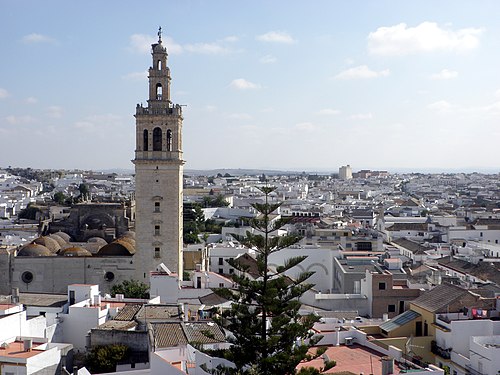
Lebrija is a municipality located in the province of Seville, in the autonomous community of Andalusia, southern Spain. Situated approximately 60 kilometers northeast of the provincial capital, Seville, Lebrija is nestled within the fertile agricultural region known as the Campiña de Lebrija. The town's strategic location near major transport routes, including the A-4 highway, has facilitated its growth and development throughout history. The population of Lebrija is around 25,000 residents, who enjoy a rich cultural heritage reflected in its architecture, traditions, and festivals.
Historically, Lebrija has roots that trace back to ancient Roman and Iberian settlements, with archaeological evidence indicating its significance during the Roman Empire. The town boasts several historical sites, including the Church of Nuestra Señora de la Oliva, which showcases a blend of Gothic and Mudejar architectural styles, and the ruins of the Roman villa known as “Casa de la Cueva.” Lebrija is also recognized for its thriving agricultural sector, particularly the production of olives and wines, contributing to Andalusia's reputation as a major center for these products. The local economy benefits from both agriculture and tourism, with an increased interest in the region’s cultural landmarks and scenic landscapes.
Lebrija is celebrated for its vibrant local culture, which reveals influences from various civilizations that have inhabited the region over centuries. The Semana Santa (Holy Week) and Feria de Lebrija are significant events that draw locals and visitors alike, featuring processions, traditional music, and dance, showcasing the town's unique Andalusian identity. Additionally, Lebrija has a growing reputation as a center for flamenco music and dance, nurturing local artists and celebrating this integral part of Spanish heritage. The blend of historical significance, agricultural abundance, and rich cultural experiences makes Lebrija a notable destination within Andalusia, offering insights into the region's past and present.
Facts about Lebrija
- Lebrija is known for its rich history, with archaeological evidence of settlements dating back to the Roman period, including the remains of a Roman villa.
- The city is famous for its unique and traditional celebration of the 'Feria de la Virgen de la Caridad', which takes place in September and features vibrant parades and cultural events.
- Lebrija is renowned for its excellent production of wines, particularly its sweet white wine known as 'vino de Lebrija', which has gained recognition in regional competitions.
- The town's historic center includes well-preserved buildings and churches, most notably the Church of Our Lady of Charity, which showcases a mix of Gothic and Mudéjar architectural styles.
- Lebrija has a significant contribution to flamenco music and dance, being the birthplace of influential artists, and hosts various flamenco festivals to celebrate this cultural heritage.
- The city is home to the 'Cueva de la Cañada', a prehistoric cave that contains rock paintings, providing insights into the region's early human history.
- Lebrija boasts a unique geographical location, situated between the Guadalquivir River and two natural parks, making it a hub for ecotourism and outdoor activities.
- The local cuisine features a special dish called 'tortilla de camarones', a type of shrimp fritter that is a local delicacy and a must-try for visitors.
- Lebrija is also recognized for its annual olive oil festival, celebrating the region's production of high-quality olive oil, which is an important part of Andalusian culture.
- The city's commitment to preserving its history has led to the establishment of several museums, including the Archaeological Museum of Lebrija, which showcases artifacts from various eras.