Leer, Germany
- 33,886 people
- 10 places to visit
- 53.2357, 7.4679
Places to Visit (10)
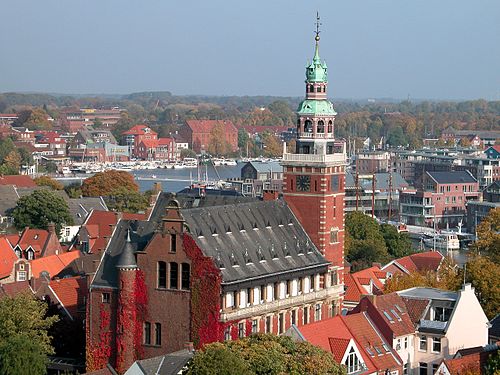
Leer is a historic town located in the Lower Saxony region of Germany, known for its picturesque canals and rich maritime heritage. With a population of approximately 34,000 residents, it is situated at the confluence of the Leda River and the Ems River, making it a significant hub for trade and shipping since the Middle Ages. The town's history dates back to the 13th century when it was first mentioned in historical records. Over the years, Leer has evolved from a key trading port into a charming urban center that beautifully blends tradition with modernity.
Architecturally, Leer boasts numerous well-preserved buildings that reflect its affluent past and vibrant cultural scene. The town's Old Town (Altstadt) features narrow streets lined with historic houses, some dating back to the 17th and 18th centuries. One of the most notable landmarks is the historic Leeraner Modell, a miniature model of the town that offers visitors insight into its development. The St. Michael’s Church, with its striking steeple, is another prominent feature of the skyline, providing a glimpse into the local religious history. In addition to cultural attractions, Leer hosts various annual festivals, including the Leeraner Fest, which draws locals and tourists alike to celebrate the town’s unique heritage through music, food, and traditional crafts.
In recent years, Leer has diversified its economy, focusing on logistics, trade, and renewable energy sectors. The town is strategically positioned, with easy access to major transport routes, making it attractive for businesses and industries. Furthermore, Leer is known for its commitment to sustainability and environmental preservation, with initiatives aimed at promoting green technologies and practices. As a gateway to the scenic East Frisian countryside and the North Sea coastline, Leer also serves as a popular destination for tourists seeking outdoor activities, cultural experiences, and a glimpse into the rich tapestry of northern German life.
Facts about Leer
- Leer is known as the 'Pearl of East Frisia' and boasts a picturesque historic town center with charming streets and canals.
- The town is home to the exemplary Barge Museum (Bargemuseum), showcasing the region's rich history of shipbuilding and inland navigation.
- Leer features the largest collection of traditional East Frisian houses in the region, particularly along the 'Curacao Dike' and several scenic canals.
- The town is famous for its East Frisian tea culture, recognized for its unique brewing method involving loose leaves served with cream and rock sugar.
- Leer hosts the annual Leeraner Stadtfest, a popular festival celebrating local culture with music, food, and various activities, attracting visitors from all over Germany.
- The historic St. Willehad Church, dating back to the 13th century, is a significant landmark showcasing remarkable Gothic architecture.
- Leer is a key transportation hub, with its significance highlighted by the presence of the Old Spook Canal, which plays an important role in shipping and logistics.
- The town has an active seaport that is integral to the trade with the nearby North Sea, distinguishing it from many inland towns in Germany.
- Leer is home to the unique 'Leeraner Pumpernickel,' a traditional rye bread that has been made in the region for centuries.
- The town has a strong connection to maritime history and is known for its historic houses of ship captains and merchants, reflecting its past as a trading center.