Leganés, Spain
- 186,066 people
- 10 places to visit
- 40.332, -3.7687
Places to Visit (10)
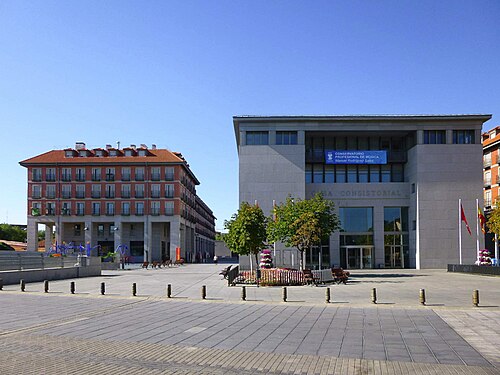
Leganés is a city located in the Community of Madrid, Spain, situated approximately 11 kilometers south of the Spanish capital, Madrid. With a history dating back to the early Middle Ages, Leganés has evolved from a small agricultural village into a bustling urban center, boasting a population of over 190,000 residents. The city's strategic location near major transportation routes and its proximity to Madrid have contributed to its rapid development and transformation into a significant suburban area. Today, Leganés is recognized for its blend of traditional and modern architecture, with historical sites coexisting alongside contemporary infrastructure.
One of the city’s key features is its vibrant cultural scene, which is highlighted by several annual festivals, art exhibitions, and performances. The Festival of San Nicasio, celebrated in early October, is a prominent event that pays homage to the city's patron saint and includes various activities such as parades, music performances, and religious ceremonies. Additionally, Leganés is home to notable landmarks, including the Church of San Salvador, with its historical roots tracing back to the 16th century, and the Parque de Polvoranca, a large green space that offers recreational opportunities for residents and visitors alike. The city's commitment to education is evident through its various educational institutions, including the Universidad Carlos III de Madrid, which has a campus in Leganés that fosters a vibrant student community.
Leganés has experienced significant economic growth, primarily driven by the services sector, retail, and small to medium-sized enterprises. The city has made substantial investments in infrastructure and public services to enhance the quality of life for its residents. Public transport connections to Madrid, including a network of buses and the Madrid Metro, facilitate easy access to the capital, making Leganés an appealing location for commuters. Overall, Leganés represents a dynamic urban environment that successfully combines historical heritage with modern amenities, making it a noteworthy destination in the Madrid metropolitan area.
Facts about Leganés
- Leganés is known for the iconic Plaza Mayor, which is a central square filled with cafés, shops, and cultural events, making it a social hub for locals.
- The city is home to the Parque de Polvoranca, a large green space that hosts various wildlife and recreational activities, providing a natural escape close to the urban center.
- Leganés has a strong sporting tradition, being the home of Club Deportivo Leganés, which competes in La Liga, Spain's top professional football division.
- Historically, Leganés played a significant role during the Spanish Civil War, as it was one of the sites of intense fighting and has several memorials dedicated to its historical significance.
- The town hosts the annual Festival of San Nicasio, a unique celebration that features traditional music, dances, and local gastronomy, reflecting its cultural heritage.
- Leganés features the Church of San Salvador, a 17th-century baroque church known for its stunning architecture and historical artwork, differentiating it from other cities.
- The city has embraced modernity and technology, being home to various business parks that attract companies, contributing to the local economy and employment opportunities.
- Leganés has an extensive public transport network that connects it efficiently to Madrid, allowing for easy commuting and distinguishing it as a significant suburban area.
- It is known for hosting the popular Leganés Jazz Festival, which attracts jazz musicians and enthusiasts from across Spain and beyond, promoting cultural awareness.
- The town is recognized for having one of the earliest examples of a cooperative housing initiative in Spain, an aspect that highlights its innovative spirit in urban development.