Legnago, Italy
- 21,646 people
- 15 places to visit
- 45.1938, 11.3021
Places to Visit (15)
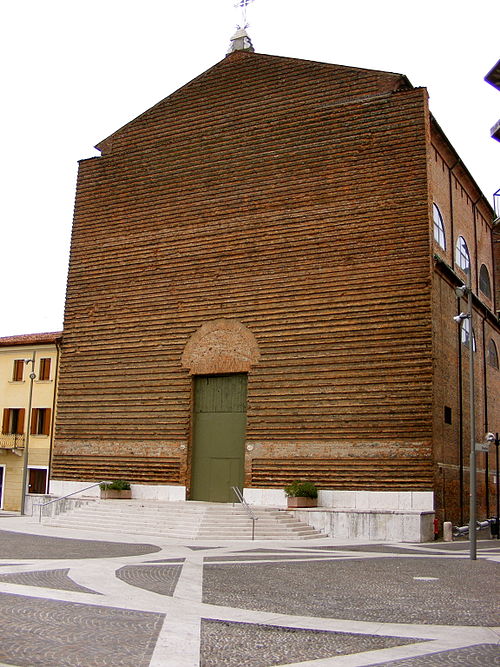
Legnago is a charming town located in the province of Verona, in the Veneto region of northern Italy. Situated along the banks of the Adige River, Legnago has a rich history that dates back to Roman times when it was known as "Lignanum," likely due to the presence of wooden structures in the area. The town's strategic location made it a vital crossroads for trade and military routes throughout the centuries. Today, Legnago reflects its historical significance through a mix of ancient architecture and modern developments, illustrating the town's ability to evolve while preserving its cultural heritage.
The town boasts a variety of notable landmarks and attractions. One of the standout features is the Church of San Marco, constructed in the 18th century, renowned for its beautiful frescoes and stunning altar. The historic center of Legnago is characterized by narrow streets, quaint squares, and various shops, giving visitors a taste of authentic Italian life. The town also hosts several annual festivals that celebrate local traditions, including the Sagra di San Nicolò, which features processions and traditional foods. Additionally, Legnago is well-connected to other cities in the Veneto region, making it an attractive destination for both tourists and locals who seek to explore the nearby attractions of Verona, Mantua, and the picturesque landscapes of the Po River Valley.
Agriculture plays a significant role in Legnago's economy, with the fertile surrounding lands primarily devoted to the cultivation of crops, such as grains, fruits, and vegetables. The area is also known for its wine production, benefiting from a favorable climate and rich soil that contribute to the quality of local varietals. Moreover, the town embraces modern industry with a range of small to medium-sized enterprises that drive its economic growth. Overall, Legnago is a delightful blend of history, culture, and contemporary living, offering visitors a unique glimpse into the heart of Italy's Veneto region.
Facts about Legnago
- Legnago is known for its strategic location at the confluence of the Adige and Guà rivers, making it significant for trade and transportation since ancient times.
- The city has a rich Roman heritage, with a number of archaeological remains, including remnants of a Roman bridge and other structures that highlight its historical importance.
- Legnago is home to the stunning Cathedral of San Martino, which features a beautiful Baroque facade and is a pivotal point in the city's religious and architectural landscape.
- Every year, Legnago hosts the Palio of Legnago, a traditional horse race that dates back to medieval times, showcasing the city's vibrant cultural heritage.
- The city is part of the Province of Verona and is known for its luscious vineyards and agricultural production, particularly in wines like Soave and Valpolicella.
- Legnago features an ancient castle known as Palazzo dei Giurati, that reflects the city’s medieval power and serves as a museum today, attracting history enthusiasts.
- Legnago is recognized for its association with the famous Italian poet Dante Alighieri, who mentioned the city in his work 'Divine Comedy', linking it to the broader literary tradition of Italy.
- The city is a crucial transportation hub in the Veneto region, connecting various cities through its well-developed road and rail networks, enhancing its economic role.
- Legnago's annual carnival is a significant event that features colorful parades and festivities, distinguishing it from other municipalities that celebrate similar traditions.
- The city has a unique blend of Renaissance and Baroque art, which can be seen in several of its public buildings and private residences, enriching its cultural landscape.