Legnano, Italy
- 57,589 people
- 16 places to visit
- 45.5969, 8.9182
Places to Visit (16)
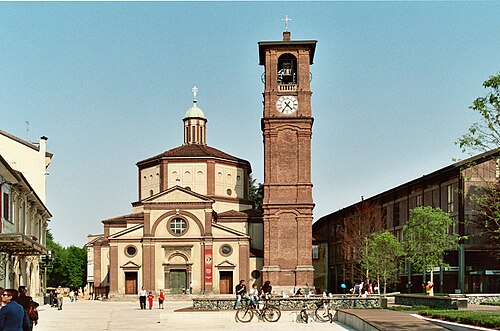
Legnano is a city situated in the Lombardy region of northern Italy, approximately 25 kilometers northwest of Milan. It lies within the Metropolitan City of Milan and is part of the province of Milan. With a rich historical background, Legnano dates back to ancient Roman times when it was established along the route connecting Milan and the Po River. The city's strategic location fostered its growth throughout the medieval period. Legnano is particularly noted for its role in the Second War of Independence, particularly during the Battle of Legnano in 1176, where the Lombard League defeated the forces of the Holy Roman Empire. This victory is a point of pride for the city's residents and is commemorated annually in the Palio di Legnano, a historical reenactment and celebration that emphasizes local traditions and history.
The urban landscape of Legnano is marked by a mix of historical and modern elements. The city's center boasts several significant monuments, including the Basilica of San Magno, a beautiful Romanesque church featuring stunning artwork and architecture. The Castello di Legnano, a historical fortress, adds to the charm of the town, showcasing remnants of its medieval past. Modern developments have integrated seamlessly into the city, which now features vibrant shopping districts and various services, reflecting a dynamic local economy. Legnano is also known for its lush green spaces, parks, and recreational areas, making it an appealing destination for both residents and visitors. The city's well-established infrastructure provides excellent connectivity, with access to rail and road networks that facilitate travel to nearby Milan and other regions.
Culturally, Legnano is home to a rich tradition of art and music, evident in its numerous festivals and events that take place throughout the year. The city celebrates several religious and cultural festivals, showcasing its strong community spirit and regional pride. With a population of around 58,000, Legnano has a diverse community and offers a high quality of life, blending historical heritage with modern amenities. As an attractive place to live and visit, Legnano stands out for its historical significance, cultural richness, and its vibrant urban environment, contributing to the overall tapestry of Lombardy.
Facts about Legnano
- Legnano is renowned for the Battle of Legnano, fought in 1176, which was a decisive conflict in the struggles of the Lombard League against the Holy Roman Empire.
- The city is famous for the Palio di Legnano, a historical reenactment and horse race that takes place annually and celebrates the victory of the Lombard League.
- Legnano is home to the Basilica of San Magno, a stunning example of Italian Gothic architecture, known for its intricate frescoes and artworks.
- The city's name is derived from the Latin 'Laevanum', and its rich history dates back to prehistoric eras, making it one of the oldest settlements in northern Italy.
- Legnano hosts the annual 'Festa di San Giovanni', which includes processions, fireworks, and various cultural events that highlight local traditions.
- The city is located just a short distance from Milan, making it an important industrial and commercial center in the Lombardy region.
- Legnano has a vibrant arts scene, with numerous galleries, theaters, and music festivals that showcase both local and national talent.
- The city is known for its beautiful parks and green spaces, including the Parco Castello, which offers recreational activities and scenic trails.
- Legnano has been a significant production center for bicycles and bicycle components, contributing to the Italian cycling industry.
- The historical city center features well-preserved medieval architecture, with charming streets and piazzas that reflect its rich heritage.