Legnica, Poland
- 106,033 people
- 14 places to visit
- 51.207, 16.1553
Places to Visit (14)
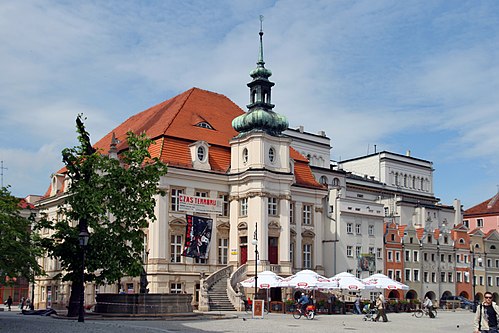
Legnica, a city in southwestern Poland, serves as the capital of the Legnica County and is part of the Lower Silesian Voivodeship. Its geographical location on the banks of the Kaczawa River places it approximately 80 kilometers west of Wrocław, the region's capital. A settlement has existed in Legnica since the early Middle Ages, becoming an important center during the Piast dynasty. The city rose to prominence in the 12th century, when it became the seat of the Dukes of Legnica and played a significant role in the region's political and cultural life. Throughout its history, Legnica has been influenced by various cultures and political entities, including the Polish, Czech, and German states.
Legnica is characterized by its rich historical heritage, showcased in numerous architectural landmarks. The most notable of these is the Cathedral of St. Peter and St. Paul, a stunning example of Gothic architecture built in the 14th century. In addition, the city boasts several well-preserved townhouses and palaces, reflecting the architectural styles of different eras. Legnica is also home to cultural institutions such as the Legnica Theatre and the Museum of Contemporary Art, which promote local arts and history. The city has a vibrant economy, primarily driven by manufacturing and services, with industries ranging from machine building to textiles. Modern Legnica is well-equipped with infrastructure and amenities to support its residents, including educational institutions, healthcare facilities, and recreational spaces. With a population of approximately 100,000, Legnica continues to evolve as a dynamic urban center, blending its historical legacy with contemporary development.
Facts about Legnica
- Legnica is home to one of the oldest cathedrals in Poland, the Cathedral of St. Peter and St. Paul, which dates back to the 12th century and features stunning Gothic architecture.
- The city played a significant role in the Silesian Wars and was the site of the Battle of Legnica in 1241, where local forces attempted to defend against the Mongol invasion.
- Legnica is known for its rich history of silver mining, which played a vital role in its economic development during the Middle Ages.
- The city's Jewish community was historically significant, with a large population before World War II, and it had one of the oldest synagogues in Silesia, which was built in the 19th century.
- Legnica is unique for hosting the 'Legnica Cultural Summer' festival, which focuses on celebrating local arts and invites diverse performances and workshops every year.
- The city has a notable historic marketplace called Legnica Market Square, featuring colorful tenement houses that highlight the influences of various architectural styles over the centuries.
- Legnica is renowned for its production of 'Legnica Chocolate,' a local delicacy known for its unique recipes and handmade quality that reflects the city's culinary heritage.
- The 13th-century Piast Castle, once a residence of Polish royalty, is a key historical landmark in Legnica, featuring exhibitions that showcase the city’s medieval past.
- Legnica was a significant center for Protestantism in the 16th century, and remains reflective of its diverse religious history through its historic churches.
- The city is also home to the Legnica Cathedral Choir, which is known for its high standards and has contributed to numerous cultural events throughout Poland and abroad.