Leicester, United Kingdom
- 368,600 people
- 15 places to visit
- 52.6369, -1.1398
Places to Visit (15)
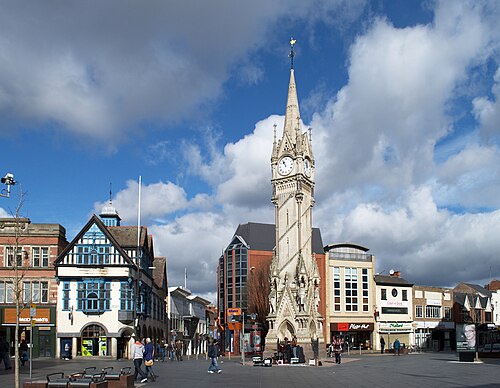
Leicester is a vibrant city located in the East Midlands of England, known for its rich history, diverse culture, and economic significance. It is the largest city in the region and boasts a population of approximately 350,000 residents, making it one of the most populous cities in the UK. Leicester's history dates back over 2,000 years, with roots in Roman settlement as the town of Ratae Corieltauvorum. The city played a significant role during medieval times and was notable for its wool trade. Today, Leicester's heritage is reflected in its architecture, including the medieval Leicester Cathedral, the Guildhall, and the remains of the Roman Jewry—an archaeological site that provides insights into the city's past.
Leicester is also known for its cultural diversity, home to significant communities from South Asia, Africa, and the Caribbean, which has shaped its social fabric. This multicultural influence is evident in the city's festivals, food offerings, and local businesses, with an array of restaurants serving cuisines from around the world. The city is famous for the Leicester City Football Club, which gained global attention for winning the Premier League title in 2016, a remarkable underdog story that resonated with sports fans worldwide. Educational institutions like the University of Leicester and De Montfort University contribute to the city's vibrant student population and research landscape, fostering innovation and collaboration in various fields.
Economically, Leicester has evolved into a key player in manufacturing, logistics, and service industries. The city is a center for textiles and engineering and has seen growth in sectors such as technology and healthcare. The Leicester Waterside development has transformed the area along the River Soar into a hub for commerce and leisure, featuring office spaces, residential units, and recreational facilities. The city's excellent transport links, including rail connections to London and other major cities, further enhance its appeal as a business destination. Moreover, Leicester's commitment to sustainability and green spaces, such as the expansive Abbey Park and the Botanic Garden, reflects its dedication to quality of life for residents and visitors alike. Overall, Leicester stands out as a city that balances a rich historical tapestry with modern advancements, making it a unique and dynamic place to live, work, and visit.
Facts about Leicester
- Leicester is home to the oldest surviving documentary evidence of the English language, the 'Treatise of the Pore Caitiff', dating back to the 13th century.
- The city was the burial place of King Richard III, whose remains were discovered in a parking lot in 2012 and subsequently reinterred in Leicester Cathedral.
- Leicester boasts the UK's largest Diwali celebration outside of India, drawing thousands of visitors each year to its colorful festivities.
- The city is home to the Leicester Tigers, one of the most successful rugby union clubs in history, with a strong following and numerous championships.
- Leicester is known for its rich multicultural community, with over 20% of the population identifying as South Asian, contributing to diverse cultural events and cuisine.
- The National Space Centre, located in Leicester, is the UK's largest visitor attraction dedicated to space, featuring a planetarium and interactive exhibits.
- Leicester's De Montfort University is noted for its strong emphasis on creative arts and has been recognized as a leading institution for design and media studies.
- The city has the highest number of peer-reviewed research outputs in the UK per capita, making it a prominent center for academic research.
- The Leicester City Football Club famously won the Premier League title in the 2015-16 season, marking one of the greatest sporting upsets in history.
- Leicester is home to the iconic King Richard III Visitor Centre, which provides insights into the life and death of the last English king to die in battle.