Leiderdorp, Netherlands
- 25,966 people
- 14 places to visit
- 52.151, 4.5282
Places to Visit (14)
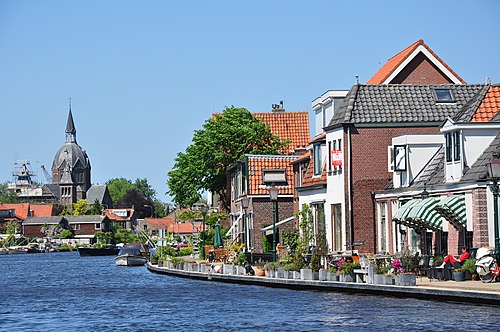
Leiderdorp is a municipality and city located in the province of South Holland in the Netherlands, adjacent to the city of Leiden. With a population of approximately 27,000 residents, it covers an area of around 8.54 square kilometers. The history of Leiderdorp dates back to medieval times, with evidence suggesting that it evolved around a settlement established as early as the 8th century. The name "Leiderdorp" is believed to derive from the old word "Leidere," which refers to a river, indicating its historical connection to waterways that facilitated trade and transportation. Initially a small village, Leiderdorp grew significantly during the post-war period, driven by urbanization and the demand for housing close to Leiden and the surrounding region.
Despite being a small city, Leiderdorp offers a blend of modern amenities and historical charm. The municipality prioritizes green spaces and recreational areas, featuring parks, playgrounds, and bike paths that cater to outdoor enthusiasts. The city's location provides residents with easy access to nearby urban centers, enhancing its attractiveness as a residential area. Cultural elements are celebrated through various events, local markets, and festivals that reflect the community's vibrancy. Additionally, Leiderdorp is well-connected by public transport, with bus services linking it to neighboring cities and towns, fostering an environment that balances quiet suburban life with accessibility to urban conveniences.
Economically, Leiderdorp is characterized by a mix of residential and commercial sectors, housing several small and medium-sized enterprises. The city enjoys a stable economy partially thanks to its proximity to Leiden, known for its educational institutions and research facilities. The local government focuses on sustainability and community development, aiming to enhance the quality of life for its residents. In sum, Leiderdorp is a picturesque municipality that combines historical roots with modern living, offering a unique environment for families and individuals alike.
Facts about Leiderdorp
- Leiderdorp is known for its historical connection to the Rijnland region, which has been inhabited since prehistoric times.
- The city holds a rich history of agriculture, particularly in the cultivation of flower bulbs, which is significant in Dutch horticulture.
- Leiderdorp features the only remaining section of the historic Flavitunnel, a key engineering work that facilitated the construction of the Rijn-Schie Canal.
- The city was part of the historical region of Holland, providing a glimpse into the political and economic developments of the Netherlands during the Middle Ages.
- Leiderdorp has several significant archaeological sites, including remnants of early settlements that date back to the Roman era.
- Unlike many Dutch cities, Leiderdorp is characterized by its extensive green spaces, including parks and natural reserves that promote biodiversity.
- The city organizes the annual Leiderdorper Dagen festival, which celebrates local culture, cuisine, and arts, distinguishing it from many other Dutch towns.
- Leiderdorp maintains an active community of artists and creatives, enhancing its cultural landscape with galleries and public art installations.
- The local government has prioritized sustainability initiatives, making Leiderdorp a model for eco-friendly urban development in the Netherlands.
- The city's strategic location next to the city of Leiden provides residents with easy access to one of the oldest universities in the Netherlands, enhancing educational opportunities.