Leipzig, Germany
- 504,971 people
- 16 places to visit
- 51.3397, 12.3731
Places to Visit (16)
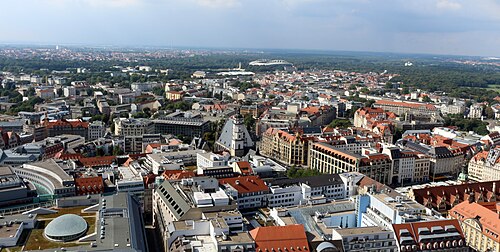
Leipzig is a vibrant city located in the federal state of Saxony, Germany. With a population of around 600,000 residents, it stands as one of the most populous cities in the country. Founded over 1,000 years ago, Leipzig has a rich history marked by its role as a center of trade, culture, and education. The city gained prominence during the medieval period, owing to its strategic location at the crossroads of significant trade routes, which helped it flourish as a commercial hub. One of its most notable features is the Leipzig Trade Fair, one of the oldest fairs in the world, established in 1165, which continues to attract businesses and visitors from around the globe.
Leipzig is renowned for its cultural contributions, particularly in music and the arts. The city has been home to some of the most influential composers, including Johann Sebastian Bach, Felix Mendelssohn, and Richard Wagner. The Gewandhausorchester, one of the oldest symphonic orchestras in the world, and the annual Bachfest celebrate the city's musical heritage. Leipzig also boasts a variety of museums, galleries, and theaters, enhancing its status as an artistic center. The city's architectural landscape is a blend of historical and modern styles, featuring landmarks such as the St. Thomas Church where Bach worked, the Neo-Renaissance City Hall, and contemporary structures like the Leipziger Nikolaikirche, pivotal in the Peaceful Revolution that led to the fall of the Berlin Wall in 1989.
In recent years, Leipzig has experienced significant economic development and demographic growth, attracting young professionals and artists, which has contributed to its dynamic atmosphere. The city is now often viewed as a hub for innovative industries, technology, and startups. It also hosts several universities, including the University of Leipzig, one of the oldest in Germany, adding to its reputation as a center for higher education. Additionally, Leipzig's extensive green spaces, including parks and waterways, offer a high quality of life and recreational opportunities for residents and visitors alike. This combination of historical significance, cultural richness, and modern urban development makes Leipzig a fascinating destination and a pivotal city in Germany's landscape.
Facts about Leipzig
- Leipzig is known as the 'City of Books' due to its rich publishing history, being home to the Leipzig Book Fair, one of the largest trade fairs for books in the world.
- The city has a significant musical heritage, serving as the home of famous composers like Johann Sebastian Bach, who worked at St. Thomas Church, and Richard Wagner, who was born here.
- Leipzig hosted the first official European soccer match in 1900 between 1. FC Lokomotive Leipzig and 1. FC Nürnberg, making it a historical site in sports.
- The Völkerschlachtdenkmal (Monument to the Battle of the Nations) commemorates the 1813 Battle of Leipzig and is one of the largest monuments in Europe, standing 91 meters tall.
- Leipzig's Nikolaikirche was a center for the peaceful demonstrations that led to the fall of the Berlin Wall, making it a symbol of the peaceful revolution in East Germany.
- The city is renowned for its vibrant arts scene, particularly in the contemporary art sector, with institutions like the Spinnerei, a former cotton mill turned art complex.
- Leipzig became a major center for trade in the 15th century, with its market square becoming one of the most important trade fairs for goods in Europe.
- The Leipzig Zoo is one of the oldest zoos in the world, founded in 1878, and features a unique 'Tropical World' that simulates the natural habitats of exotic animals.
- In 2019, Leipzig was voted the 'Most Livable City in Germany' due to its blend of historical charm, culture, and modern amenities.
- The city is a major hub for the German start-up scene, particularly in technology and innovation, establishing itself as a key player in the entrepreneurial landscape.