Lentini, Italy
- 24,102 people
- 7 places to visit
- 37.2837, 14.9963
Places to Visit (7)
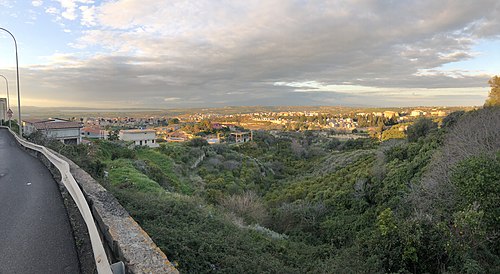
Lentini is a historic town located in the province of Syracuse on the eastern coast of Sicily, Italy. Known for its rich history that dates back to ancient times, Lentini was originally established as the Greek colony of Leontinoi around the 8th century BC. The town's strategic position near the Simeto River enabled it to flourish as a commercial hub, contributing to its importance during various periods of antiquity. Over the centuries, Lentini has seen the influence of multiple civilizations, including the Greeks, Romans, Byzantines, and Arabs, each leaving their mark on the town's culture and architecture. One of the most notable ancient sites is the remains of a theater built during the Hellenistic period, showcasing the town's historical significance.
In modern times, Lentini is known for its agricultural production, particularly citrus fruits, which are a cornerstone of the local economy. The area also produces olives and other Mediterranean crops, benefiting from the fertile soil and favorable climate of Sicily. The town's economy is supplemented by tourism, as visitors are drawn to its historical sites and the natural beauty of the surrounding landscapes. Events and festivals throughout the year, especially during patron saint celebrations, feature traditional music, culinary offerings, and local artisan crafts, attracting both locals and tourists. Despite its small size, Lentini is a vibrant community that embodies the rich cultural tapestry of Sicily, offering insights into its historical legacy while continuing to thrive in contemporary Italian society.
Facts about Lentini
- Lentini is known for its ancient origins, with settlements dating back to the Sicilian Greek colonization in the 8th century BC.
- The city is home to the impressive Church of Sant'Alfio, built in the 18th century, which showcases stunning Baroque architecture and is dedicated to the city's patron saints.
- Lentini was an important center during the Byzantine period, reflecting a rich blend of Greek and Roman influences that can still be seen in its archaeological sites.
- Famous for its production of high-quality lemons, Lentini is often referred to as the 'Citrus Capital' of Sicily, contributing to the region's agricultural economy.
- The Lentini archaeological park features ruins from the ancient city, including a well-preserved Roman amphitheater and various temples, making it a significant historical site.
- The city is celebrated for its traditional pastry, 'Cuddhure,' a sweet bread typically served during local festivities, which distinguishes its culinary heritage.
- Lentini hosts the annual Festival of Sant'Alfio, which features religious processions, cultural events, and local food, attracting visitors from all over the region.
- The locality near Lentini is known as the 'Salinella,' where ancient salt pans were used, reflecting the city’s historical salt production, which was crucial for trade in antiquity.
- Lentini's strategic location between Catania and Syracuse has made it a vital crossroads for trade and transportation throughout history.
- The historic center of Lentini features a unique blend of architectural styles, making it a hidden gem for those exploring the diverse cultural history of Sicily.