Lerma de Villada, Mexico
- 22,713 people
- 7 places to visit
- 19.2896, -99.5117
Places to Visit (7)
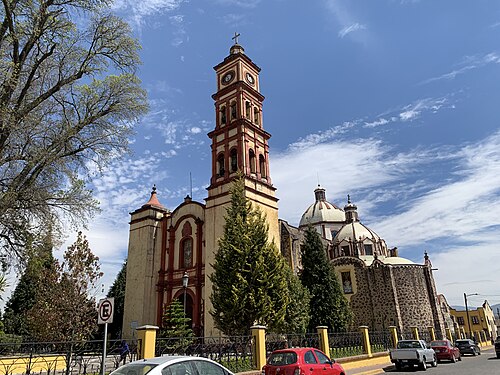
Lerma de Villada is a city located in the State of Mexico, approximately 60 kilometers west of Mexico City. It serves as the municipal seat of Lerma and is part of the Toluca Metropolitan Area. The city has a rich history dating back to pre-Columbian times when it was an essential area for the indigenous peoples. Following the Spanish conquest in the 16th century, the area was settled by Spaniards, leading to the establishment of its first significant structures, including the church of San Juan Bautista. Lerma’s strategic location on the route between Mexico City and major regions to the west has historically made it a hub for trade and transportation.
The economy of Lerma de Villada is diverse, with significant contributions from agriculture, industry, and commerce. The region is known for its agricultural products, including corn, vegetables, and flowers, primarily due to its fertile volcanic soil. In recent decades, Lerma has also seen considerable industrial growth, attracting several manufacturing companies, particularly in the automotive and electronics sectors. Consequently, the city has developed various industrial parks to accommodate these businesses, promoting job creation and economic development in the area. With its proximity to Mexico City, Lerma benefits from urbanization trends, leading to increased residential developments and a growing population that combines both urban and rural characteristics.
Culturally, Lerma de Villada boasts a blend of indigenous and colonial influences, reflected in its architecture, festivals, and community life. The city celebrates several traditional events throughout the year, including religious festivities that honor local saints and seasonal fairs showcasing regional crafts and cuisines. The architecture around the main square features colonial-style buildings, adding historical significance to the city. Additionally, Lerma is surrounded by natural beauty, including flora and fauna endemic to the region, offering residents and visitors recreational opportunities. Overall, Lerma de Villada is a city that balances modern economic development with rich cultural heritage, making it a unique community within the State of Mexico.
Facts about Lerma de Villada
- Lerma de Villada is notably recognized for its historical significance as it was once the political capital of the State of Mexico before Toluca took over.
- The town is famous for its unique geographic location; it sits at a high altitude of approximately 2,600 meters (8,530 feet) above sea level, contributing to its temperate climate.
- Lerma de Villada is known for its traditional annual event called the 'Feria del Mole,' which celebrates the local gastronomy, particularly the famous mole sauce.
- The town features a significant number of colonial-era churches, with the Church of San Pedro Apostol being a prime example of Baroque architecture in the region.
- Lerma is recognized for its role in Mexico's aqueduct history, as it is one of the key points in the region for the elaborate aqueduct systems built during colonial times.
- This town is also home to numerous parks and green spaces, including the Parque Ecoturístico Emociones, which promotes ecological tourism and outdoor activities.
- In Lerma, you can find several traditional artisan workshops where skilled craftsmen produce handmade textiles, pottery, and woodwork reflecting the area's cultural heritage.
- The town's proximity to Mexico City allows it to serve as an important commuter town, contributing to its growth and development while maintaining its small-town charm.
- Lerma de Villada has a unique cultural blend, showcasing influences from both indigenous traditions and Spanish colonial past, which is evident in its festivals and local customs.
- The area surrounding Lerma is known for its agricultural production, particularly in growing crops such as corn and amaranth, which are staples in traditional Mexican cuisine.