Leskovac, Serbia
- 94,758 people
- 8 places to visit
- 42.9963, 21.943
Places to Visit (8)
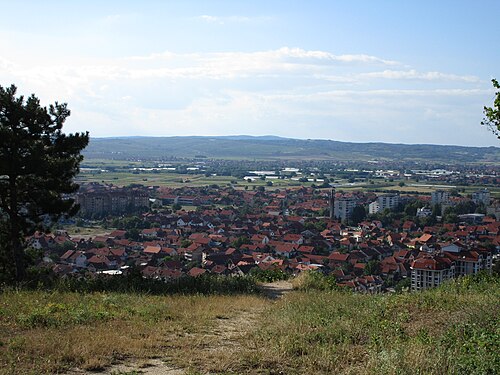
Leskovac is a city located in southern Serbia, situated along the banks of the South Morava River. As the administrative center of the Municipality of Leskovac, it plays a significant role in the region's economic and cultural landscape. The population of Leskovac is approximately 57,000 inhabitants, making it one of the larger cities in southern Serbia. Historically, it has been a hub for various industries, particularly textile manufacturing, food processing, and agriculture, leveraging its fertile surroundings. Leskovac boasts a diverse mix of architecture, reflecting its rich history that dates back to the Roman era. The city is known for its historical landmarks, including the 19th-century Serbian Orthodox Church of St. John and the remnants of the ancient Roman city of Naissus nearby.
Culturally, Leskovac is renowned for its culinary traditions, most notably its famous roasted meats, particularly the dish known as "Leskovačka mučenica." The city hosts several festivals, with the most prominent being the "Leskovac Festival of Grilled Meat," which attracts thousands of visitors annually and showcases local gastronomy. In addition to its culinary fame, Leskovac has a vibrant arts scene, with music and theatrical performances playing a vital role in community life. The city is also home to numerous educational institutions, including a branch of the University of Nis, contributing to its status as an educational center in the region. With its rich history, cultural heritage, and economic potential, Leskovac continues to evolve as a significant urban area in Serbia.
Facts about Leskovac
- Leskovac is renowned for its unique culinary specialty called 'Leskovac grilled meat,' which includes a variety of barbecued meats that are famous across Serbia.
- The city is known for its vibrant annual festival called the 'Leskovac Grill Festival,' which celebrates its grilling tradition and attracts visitors from all over the region.
- Leskovac has a rich history dating back to the Roman era, with archaeological sites, such as the remnants of Roman settlements, showcasing its historical significance.
- The city's architecture is characterized by a blend of Ottoman, Austro-Hungarian, and modern styles, distinguishing its urban landscape from other Serbian cities.
- Leskovac is home to the 'Stara čaršija' (Old Bazaar), a historical marketplace that reflects the city's commercial history and traditional craftsmanship.
- The city is situated on the banks of the South Morava River, which not only provides beautiful landscapes but also has played a crucial role in trade and transportation historically.
- Leskovac produced several notable figures in Serbian literature and culture, including the writer and journalist Jovan Sterija popović, contributing to its cultural legacy.
- An important industrial center, Leskovac has been historically known for its textile and food processing industries, setting it apart economically from many other towns.
- The famous 'Leskovac Tobacco' has been cultivated in the region, known for its distinctive quality and has contributed to the city's reputation in the agricultural sector.
- Leskovac is unique for its local dialect, which contains linguistic influences from both Serbian and other regional languages, showcasing the area’s diverse cultural heritage.