Lethbridge, Canada
- 70,617 people
- 18 places to visit
- 49.6956, -112.8451
Places to Visit (18)
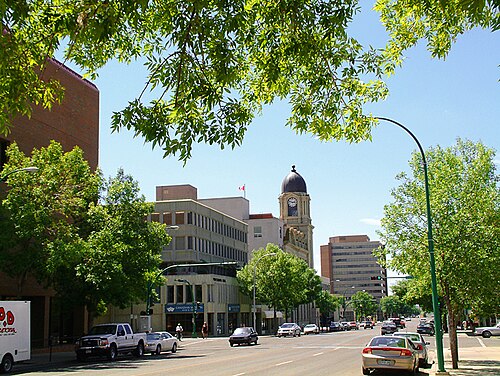
Lethbridge is a city located in southern Alberta, Canada, situated at the confluence of the Oldman River and the coulees. As the third-largest city in Alberta, Lethbridge has a population of approximately 100,000 residents, according to the 2021 Census. The city has a rich history that dates back to its founding in 1885 as a coal mining town. Originally named after the Lethbridge family, Scottish emigrants who were instrumental in the area’s development, the city boomed during the late 19th and early 20th centuries, largely due to the establishment of the Canadian Pacific Railway and the introduction of irrigation, which transformed the surrounding arid land into fertile farmland.
Lethbridge's diverse economy is bolstered by several sectors, including agriculture, manufacturing, education, and health services. The city serves as a regional hub for southern Alberta, offering a variety of educational institutions such as the University of Lethbridge and Lethbridge College, emphasizing research and education in the arts and sciences. Additionally, the city is known for its cultural attractions, including the Southern Alberta Art Gallery, the Galt Museum, and a thriving arts scene featuring local theatre productions and music events. Lethbridge also hosts numerous community events throughout the year, such as the Lethbridge Folk Festival and the Canadian Finals Rodeo, showcasing its vibrant cultural heritage.
With picturesque views of the Canadian Rockies to the west and the expansive prairies, Lethbridge is renowned for its natural beauty, particularly the dramatic coulees that surround the city. The landscape is also home to numerous parks and recreational areas, such as the legendary Henderson Lake Park and the Nicholas Sheran Park, which offer residents and visitors opportunities for outdoor activities such as hiking, biking, and fishing. Lethbridge prides itself on being a gateway to various outdoor adventures, including the nearby Waterton Lakes National Park and Writing-on-Stone Provincial Park, making it an attractive destination for nature enthusiasts. The city's commitment to sustainability and urban development is reflected in its parks and green spaces, contributing to overall quality of life for its residents while maintaining a strong connection to its historical roots.
Facts about Lethbridge
- Lethbridge is home to the world's largest tepee, standing at 60 meters tall, which serves as a cultural and tourism hub.
- The city has a unique system of coulees, which are deep ravines formed by glacial meltwater, providing dramatic landscapes not commonly found in other Canadian cities.
- Lethbridge was the first city in Alberta to have electric streetcars, introduced in 1907, marking a significant development in its urban infrastructure.
- The Lethbridge Corn Maze is one of the largest corn mazes in the country and is a popular seasonal attraction for both locals and tourists.
- The city was named after William Lethbridge, a prominent figure in the coal industry, reflecting its historical ties to mining.
- Lethbridge College is one of the oldest colleges in Alberta, established in 1957, and is known for its innovative programs and applied research.
- The city has a rich Indigenous heritage, with the nearby Kainai Nation (Blood Tribe) being one of the largest reserves in Canada.
- Lethbridge hosts the annual Lethbridge International Airshow, which showcases aviation talents and attracts thousands of visitors each year.
- The city's downtown is known for its well-preserved historic buildings, including the iconic 1907 Lethbridge Courthouse.
- Lethbridge has a vibrant arts scene, home to several galleries and cultural events, including the Lethbridge Jazz and Blues Festival.